

Cited peptide education with a direct route into quality and commerce.
Read about certificates of analysis, HPLC, storage, shipping, and research context in plain language, with sources and relevant next steps.
Peptide fundamentals
Start here. What peptides are, how the main families differ, and how to match a molecule to a goal before you compare products.
Peptide therapy is used to describe three different things: an approved prescription medicine, a clinic's compounded offering, and a laboratory research peptide — and they are not interchangeable.
Bacteriostatic water is sterile water with a preservative added — not a sterilant and not a universal solvent. What it contains, what benzyl alcohol does, and how an opened vial is handled.
'Peptide supplements' usually means collagen and other food-derived peptide mixtures; research peptides are single synthetic sequences made for the lab. They differ in what they are, how they are regulated and what evidence stands behind them.
Peptide, polypeptide and protein describe the same kind of chain at different lengths and levels of organisation. The lines between them are conventions — and different authorities draw them in different places.
Skincare peptides are real, studied molecules. Most of the evidence comes from small, short cosmetic trials, and getting a peptide through the skin barrier is the part that is still unsolved.
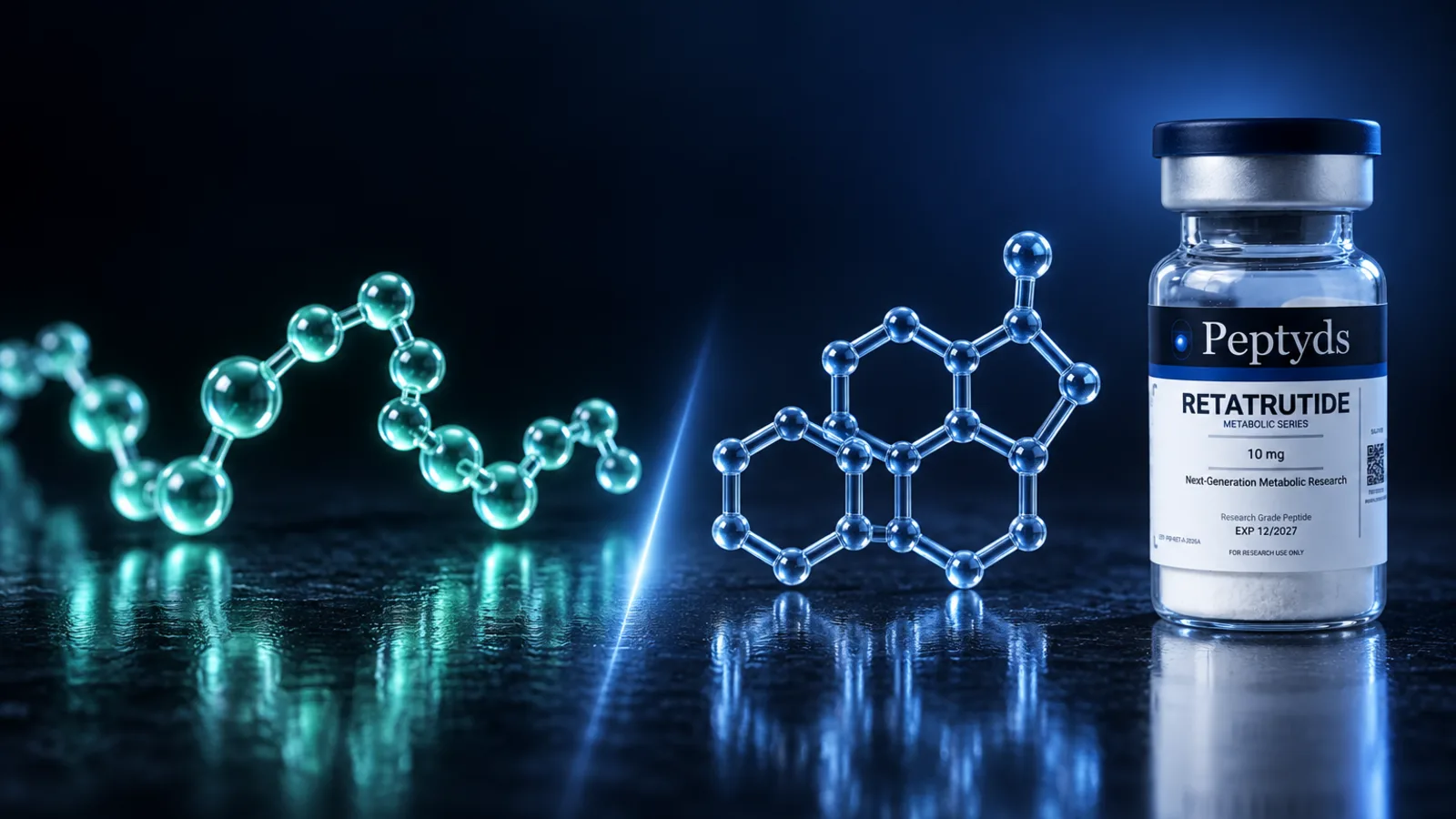
Peptides and steroids both include hormones, but they are different molecules: chains of amino acids versus a four-ring carbon skeleton built from cholesterol.

Goal-led shopping helps guided buyers compare research context, quality proof, and product fit without decoding every molecule first.

Peptides are short chains of amino acids — typically 2 to 50 — joined by peptide bonds. Smaller than proteins, larger than single amino acids.
Molecule guides & comparisons
Compound-by-compound research reviews and head-to-head comparisons — BPC-157, TB-500, the GH secretagogues, the GLP-1 class, GHK-Cu and more.

5-Amino-1MQ is a small-molecule NNMT inhibitor — not a peptide — studied so far only in diet-induced-obese mice. Here is the mechanism, what the published mouse studies actually found, why no human trial exists yet, and its regulatory status as of September 2026.

Cartalax and thymalin belong to the 'peptide bioregulator' cluster built around Vladimir Khavinson's St Petersburg institute. This is what their published evidence actually consists of, who produced it, and what could not be verified.

CJC-1295 with DAC is the original, multi-day version of the molecule — the one behind the published human growth-hormone trials. Peptyds does not sell it; here is what the research and its history actually show.

Dihexa is a lab-engineered angiotensin IV analogue studied in rodents for activating hepatocyte growth factor and its receptor, c-Met — a mechanism whose founding paper was retracted in 2025. Here is what the surviving research actually shows, and what Peptyds does not sell.

Pinealon is a synthetic tripeptide, Glu-Asp-Arg, from the same Khavinson "peptide bioregulator" family as epitalon. Its gene-expression claims, and almost all of its cell, animal and human evidence, come from one Saint Petersburg research network — and Peptyds does not sell it.

Amycretin — now also carrying the assigned name zenagamtide — is Novo Nordisk's unimolecular GLP-1 and amylin receptor agonist. Here is what its published trials show, and where its phase 3 programme stands.

AOD-9604 is a modified fragment of human growth hormone, developed to isolate its fat-metabolising effect from its growth-promoting one. The animal data looked promising. The pivotal human obesity trial did not confirm it.

Cagrilintide is the long-acting amylin analogue behind Novo Nordisk's CagriSema programme. Peptyds does not sell it — this guide separates the phase 2 and phase 3 trial data from the headlines.
Eloralintide and retatrutide share a developer and a target disease, but not a hormone system, a receptor count or a trial phase. This is what the published data can and cannot compare.

Kisspeptin is the peptide hormone family — kisspeptin-54, -14, -13 and -10 — that sits upstream of the entire human reproductive axis, acting through the KISS1R receptor to trigger GnRH release. This is what the published human research actually shows, from IVF trigger trials to brain-imaging studies, and where the evidence stops.
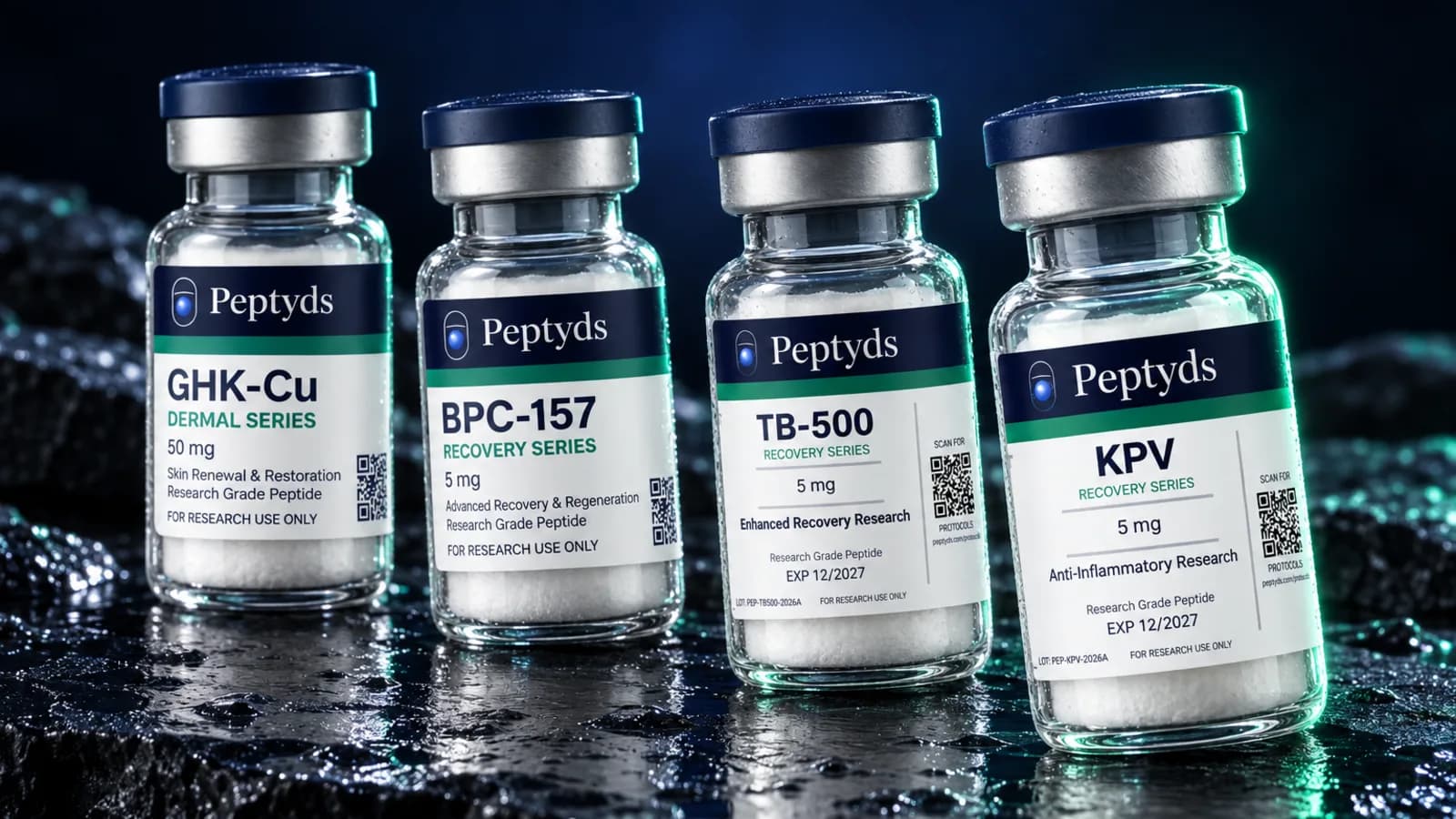
KLOW is an online name for GLOW (GHK-Cu, BPC-157 and TB-500) plus a fourth peptide, KPV. KPV has its own preclinical literature on inflammation; the four-peptide combination itself has no published study behind it.
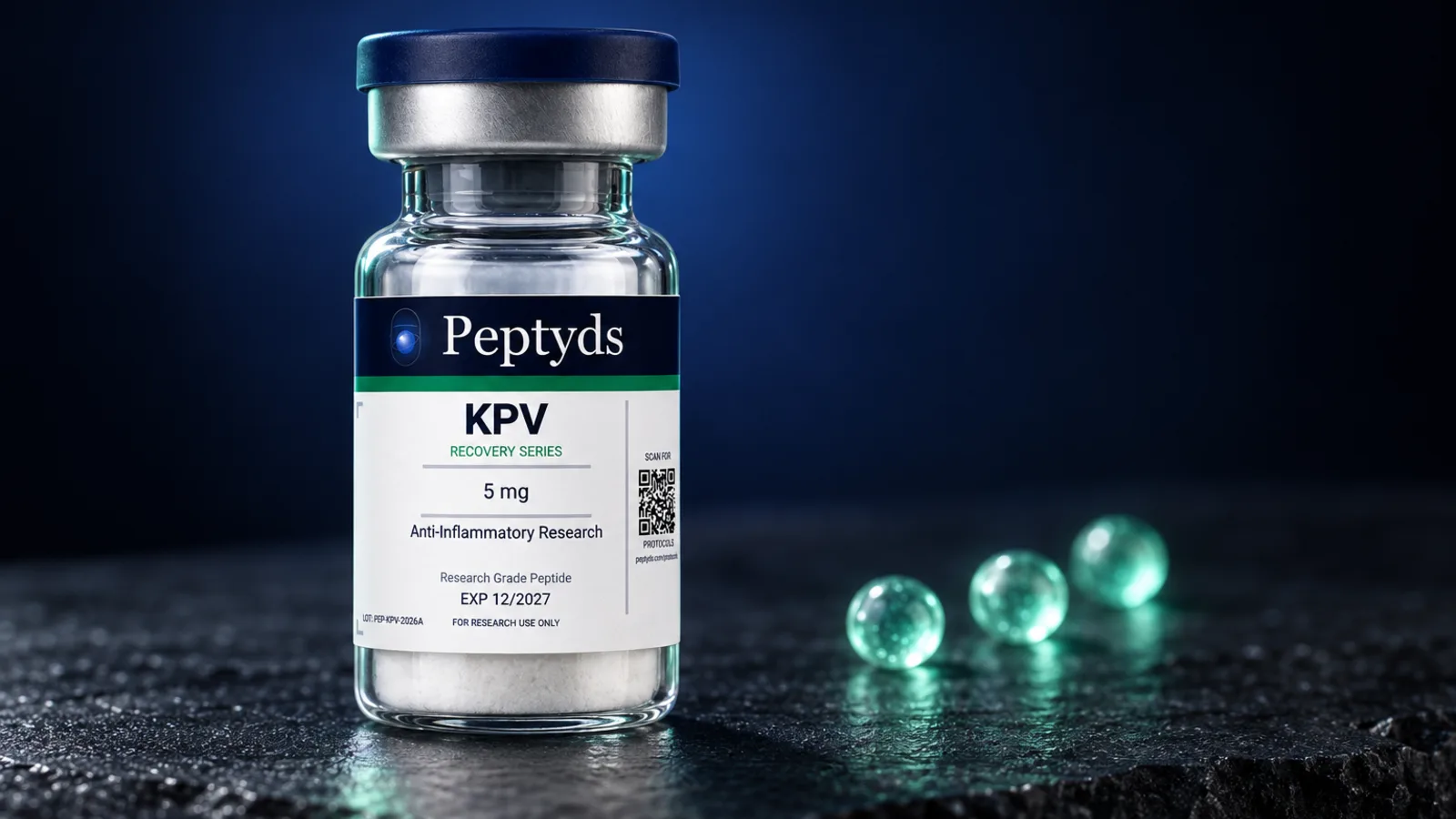
KPV is a three-amino-acid fragment of alpha-MSH studied for anti-inflammatory signalling in gut, skin and immune research — distinct from tanning peptides like Melanotan II. Here is what the cited literature actually shows.

MariTide is Amgen's investigational antibody-peptide conjugate for obesity — a monthly injection that pairs GLP-1 receptor agonism with GIP receptor antagonism. This is what its published phase 1 and phase 2 trials show, and where its phase 3 programme stands as of September 2026.

Mazdutide is the GLP-1/glucagon dual agonist that won China's first approval in this class, with a trial record that starts well before the compound everyone compares it to. This is what the published evidence shows, on its own terms.
Nine GLP-1-pathway obesity molecules beyond semaglutide and tirzepatide, grouped by mechanism, each with its most advanced published trial result and regulatory status as of September 2026.

Orforglipron is Eli Lilly's oral GLP-1 receptor agonist — a small molecule, not a peptide, now FDA-approved for weight management. Here is the mechanism, the published trial record, and how it compares with the peptide GLP-1s Peptyds supplies for research.
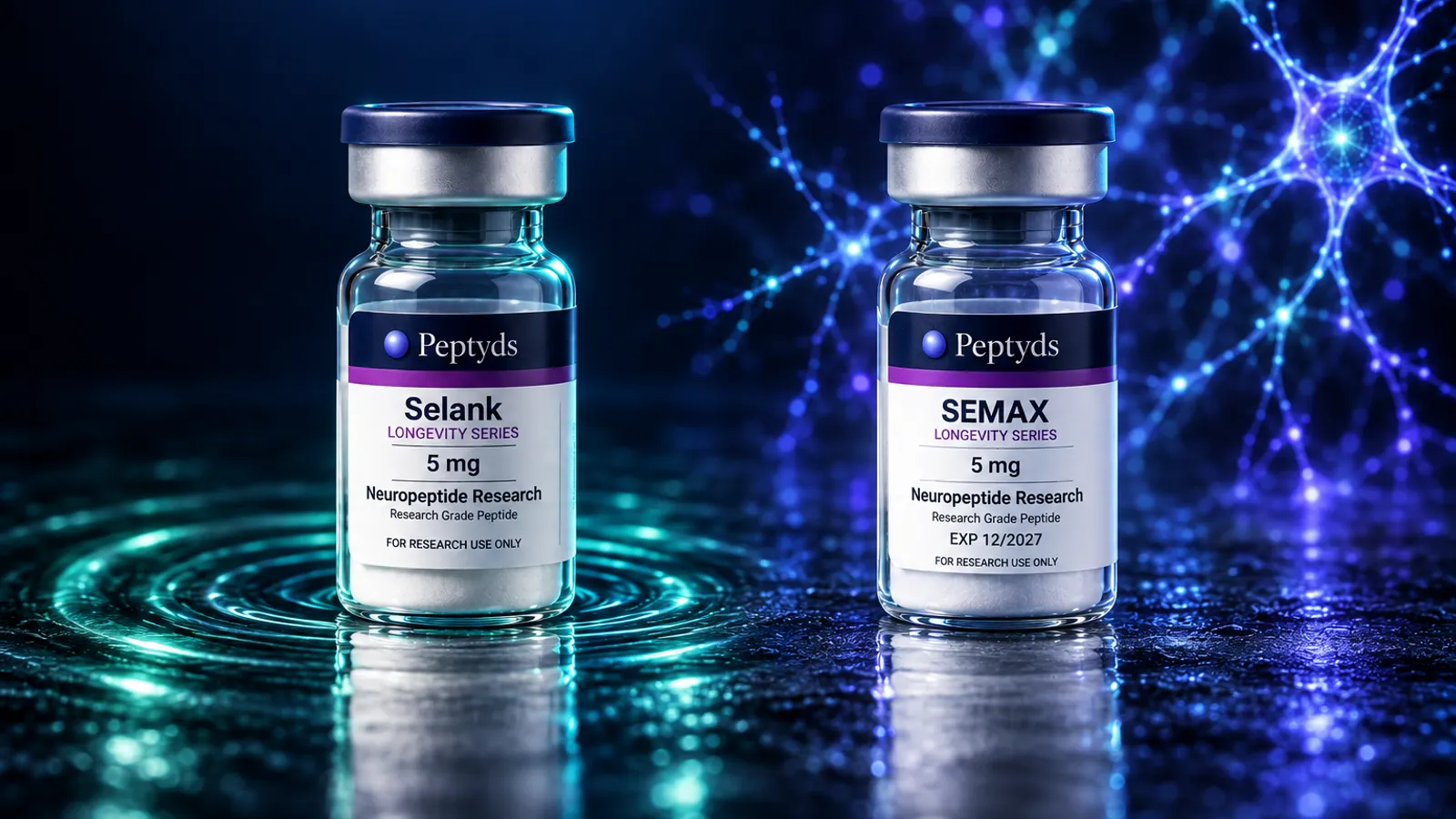
Selank and semax are two seven-amino-acid peptides from the same Moscow institute, and they are almost always discussed together. Here is how they differ — parent molecule, research questions, evidence and regulatory status — and how far the popular calm-versus-focus split holds up.

SS-31 (elamipretide) binds cardiolipin on the inner mitochondrial membrane. In September 2025 it became the first FDA-approved mitochondria-targeted peptide — for one narrow, rare-disease indication. Peptyds does not sell it.

Survodutide is Boehringer Ingelheim's glucagon/GLP-1 dual agonist, tested in obesity and in MASH under the SYNCHRONIZE and LIVERAGE trial programmes. This is what the published phase 2 and phase 3 evidence shows, and where it stood as of September 2026.
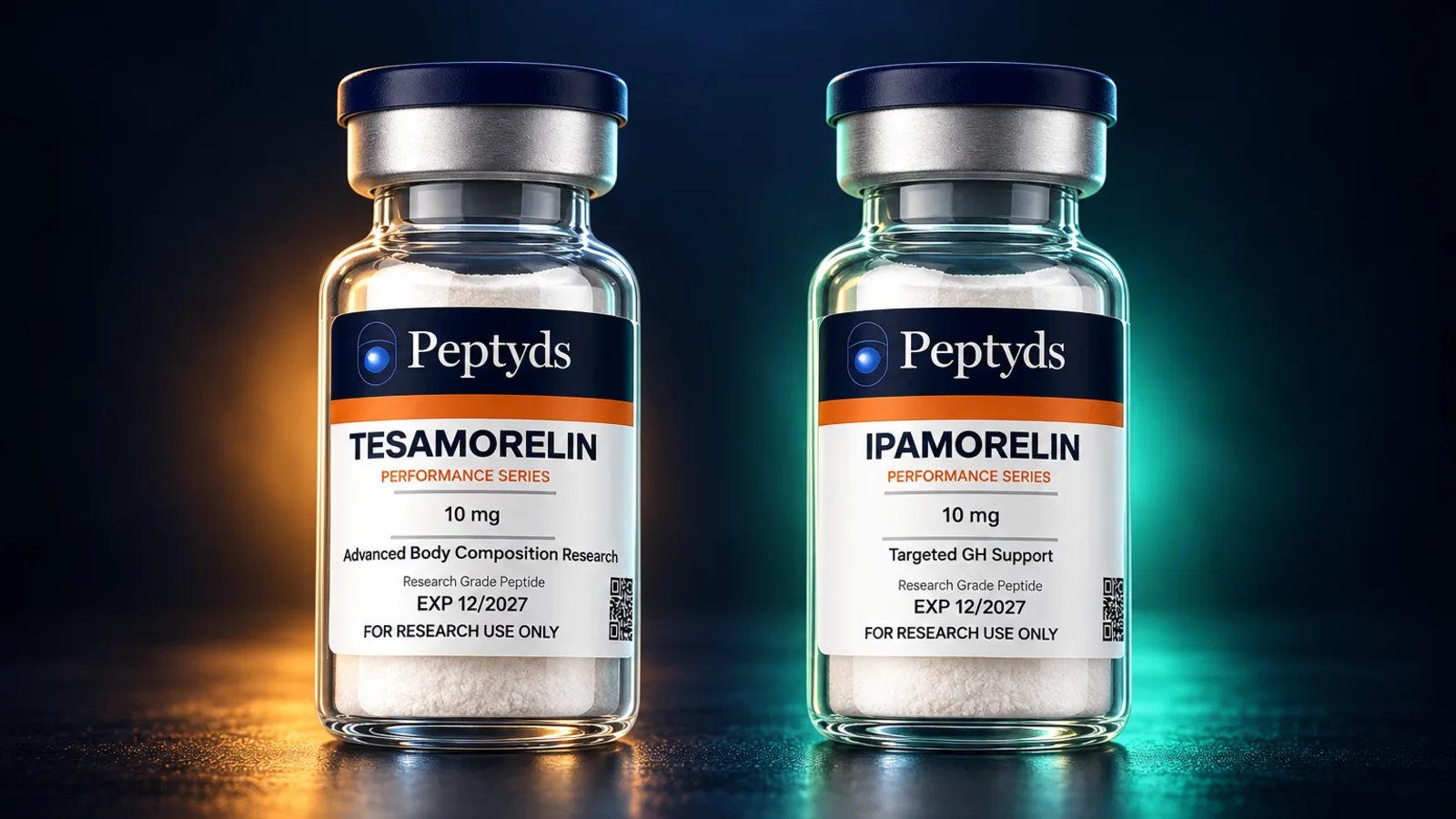
Tesamorelin and ipamorelin both end at the same pituitary GH pulse, but they start from different receptors and carry very different evidence: one has a positive HIV-lipodystrophy trial behind an FDA approval, the other has a negative ileus trial and a selectivity claim that is still animal-only.
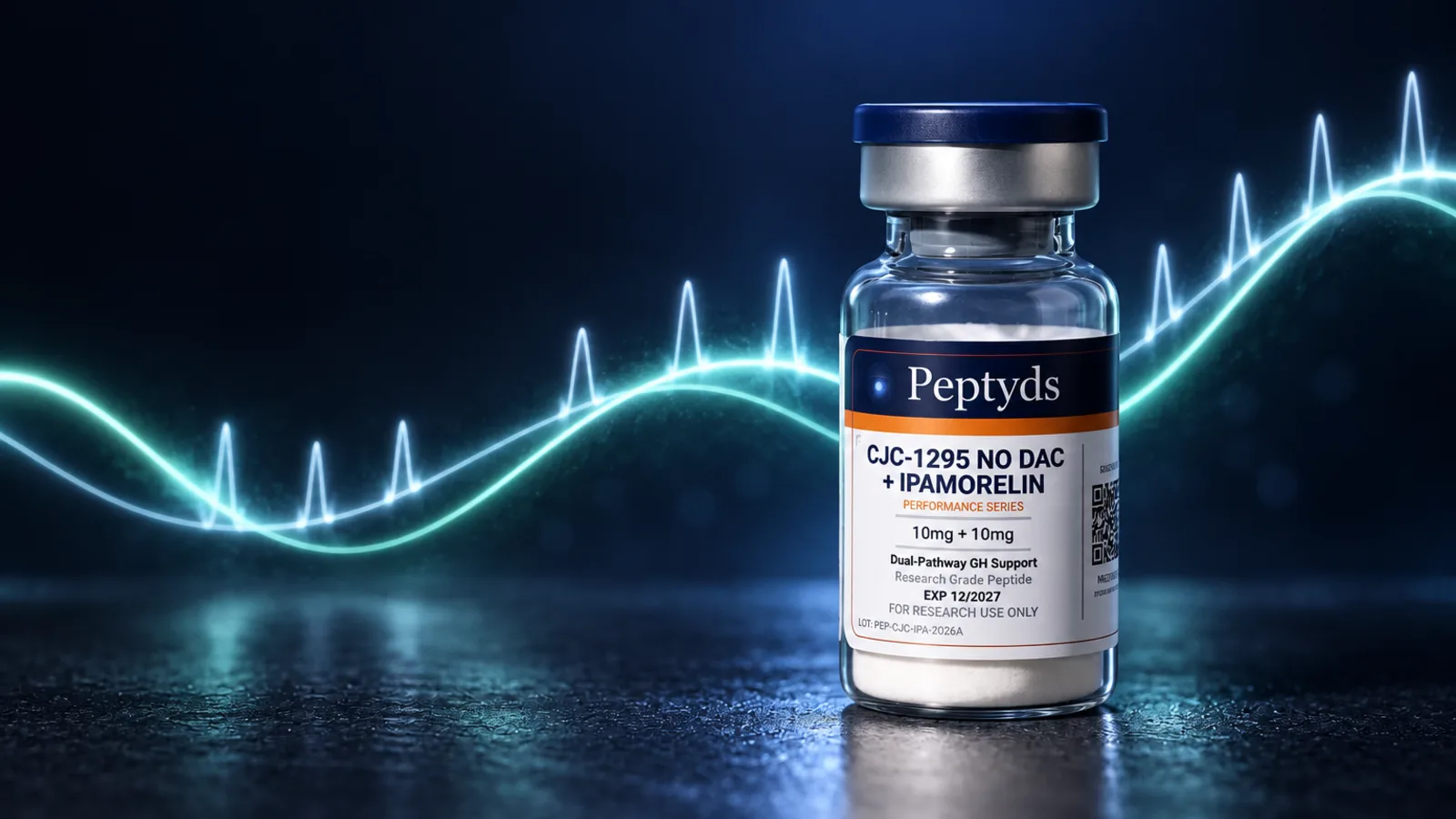
'CJC-1295' names two different molecules, and the popular blend pairs the less-studied one with ipamorelin. This is what the research covers, and what it does not.
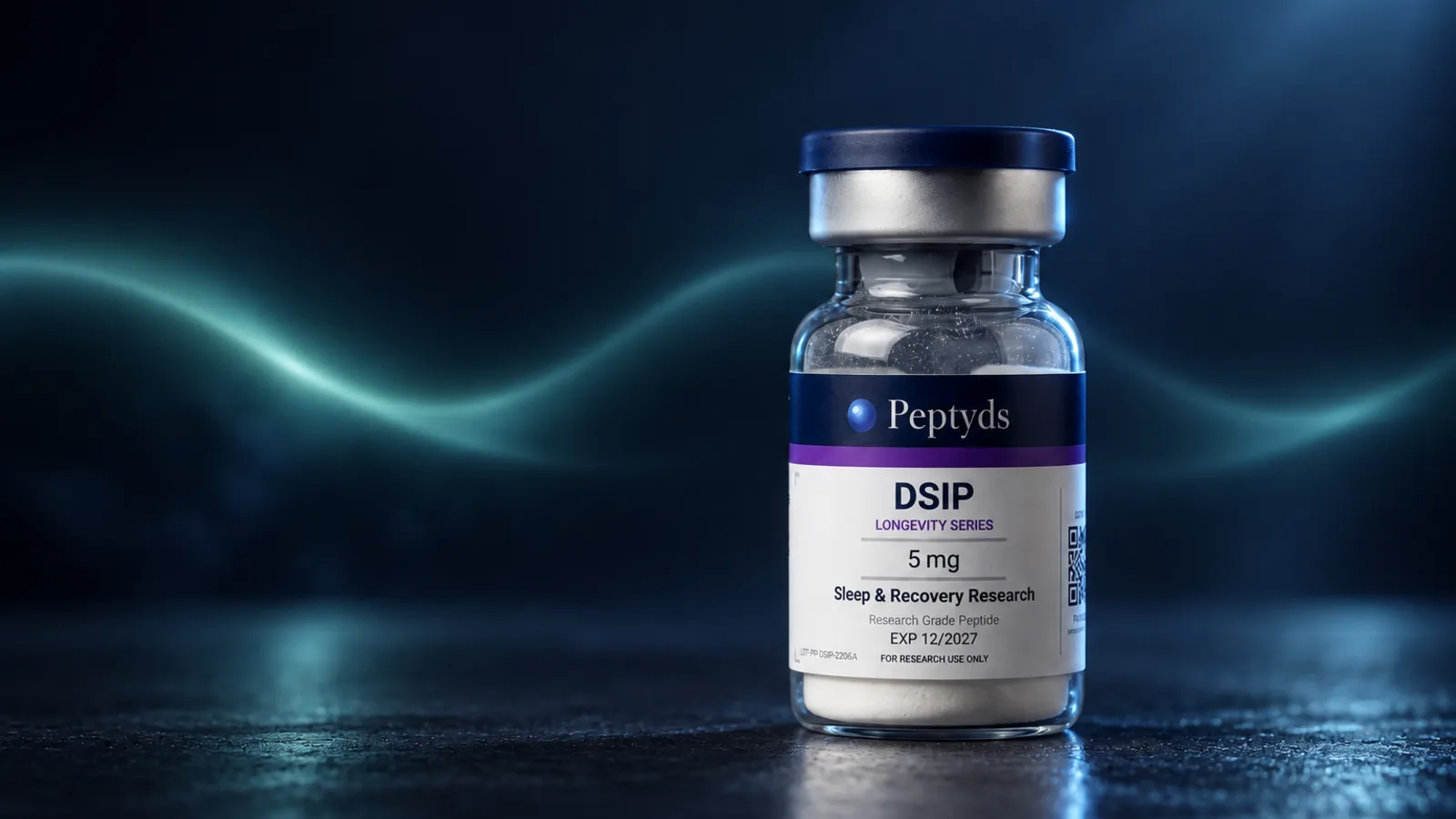
DSIP was named for a sleep signal seen in rabbits in 1977. Almost fifty years later there is still no known gene, no receptor and no convincing human sleep trial, and that is the most useful thing to know about it.
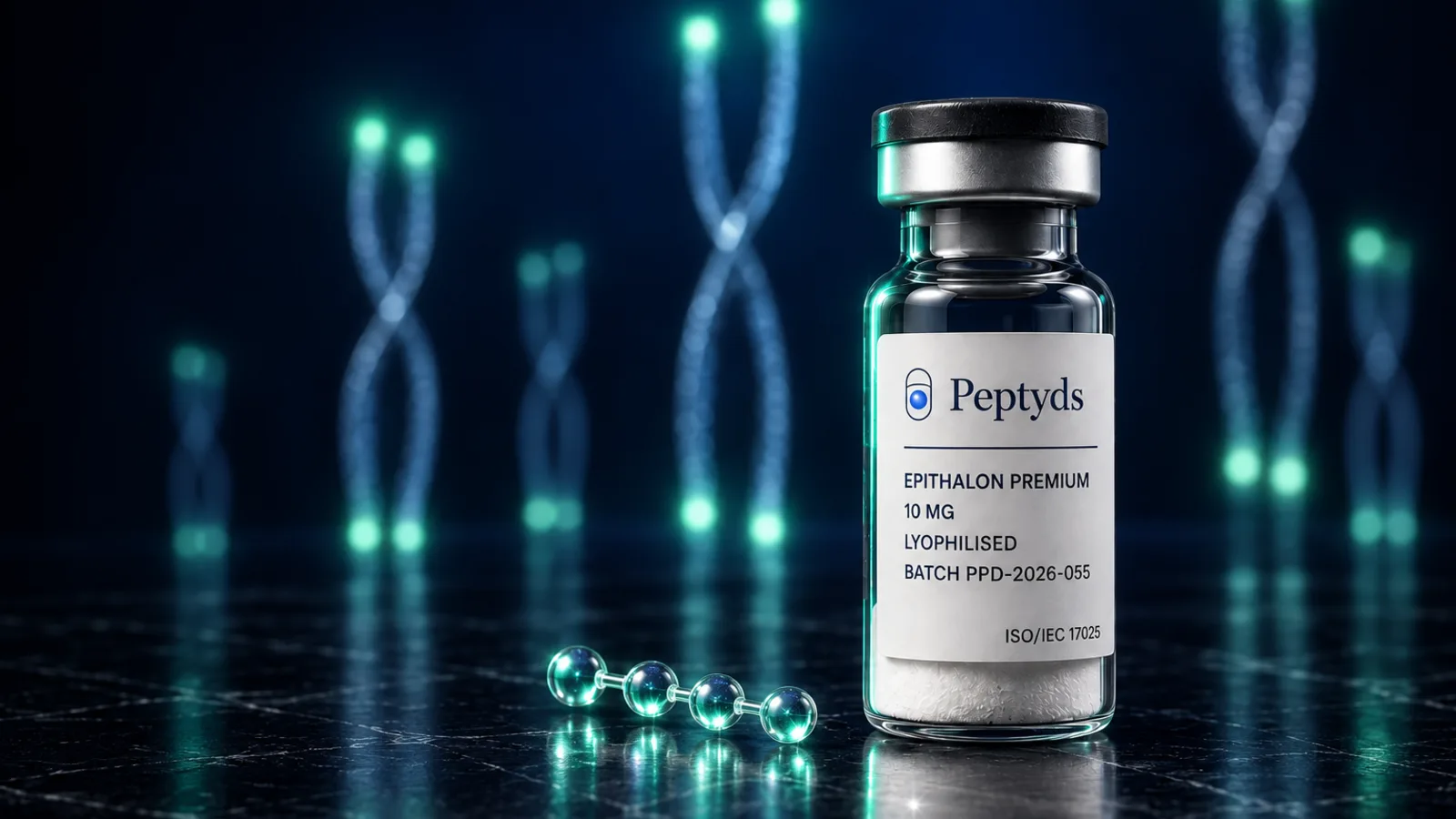
Epitalon is a four-amino-acid peptide with striking telomerase and lifespan claims. The honest version separates cell and animal results from the human evidence, which is thin and comes largely from one St Petersburg research network.
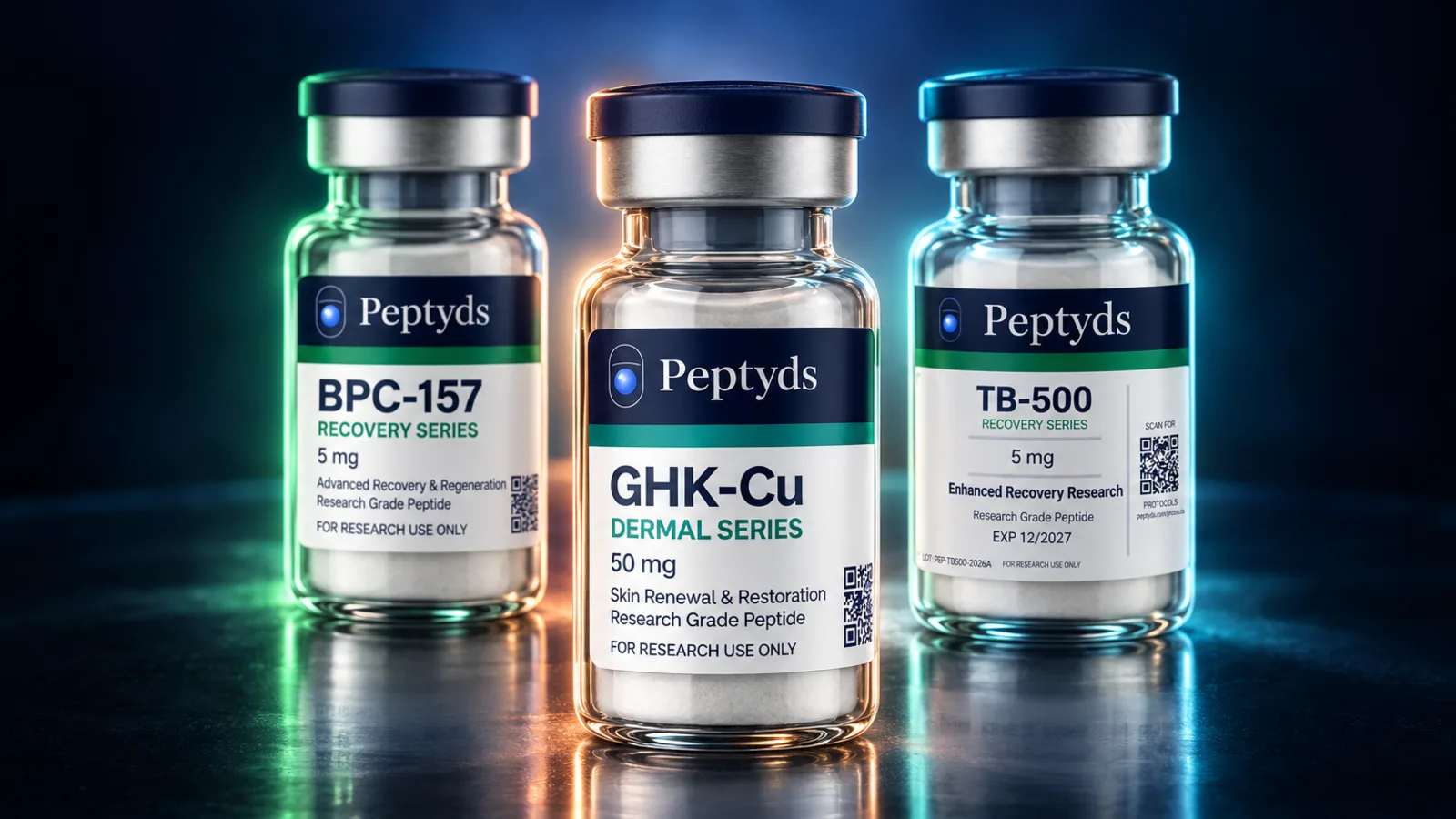
GLOW is an online name for a GHK-Cu, BPC-157 and TB-500 combination. Each peptide has its own, mostly preclinical literature. The combination itself has no published study behind it.
IGF-1 is one of the body's central growth signals. IGF-1 LR3 is a laboratory analogue built to slip past its binding proteins, and the 'long-acting' reputation it carries is the opposite of what was measured.
Ipamorelin earned its 'selective' reputation in pigs, its human record stops at pharmacokinetics and one negative phase 2 trial, and its best-known claims were never tested. This is the full record.
Mazdutide and retatrutide share a glucagon-receptor arm and a developer, but not a receptor count, a regulatory file or a trial population. This is what the published data can and cannot compare.
Melanotan II began as a superpotent α-MSH analogue in a university lab. It was never authorised as a medicine, its human trials were tiny, and its case-report file keeps growing. This guide separates the pharmacology from the tanning-forum lore.
MOTS-c is a peptide made from the mitochondrion's own DNA, with a clean mechanism in cells and striking results in mice. The human evidence is much thinner, and it is on the WADA Prohibited List.
Almost every 'muscle peptide' works through the growth-hormone axis. Human trials show modest lean-mass gains in specific groups and no strength gains — and several best-sellers have never been studied in people.
Most 'weight loss peptides' talk is really about one family: GLP-1-based incretin peptides. Here is what their trials show, what happens when treatment stops, and where tesamorelin and MOTS-c actually fit.
PT-141 is one of the few research peptides with a phase 3 programme and an FDA label behind it. That label is also the most detailed public record of what the molecule does wrong, and it deserves to be read first.
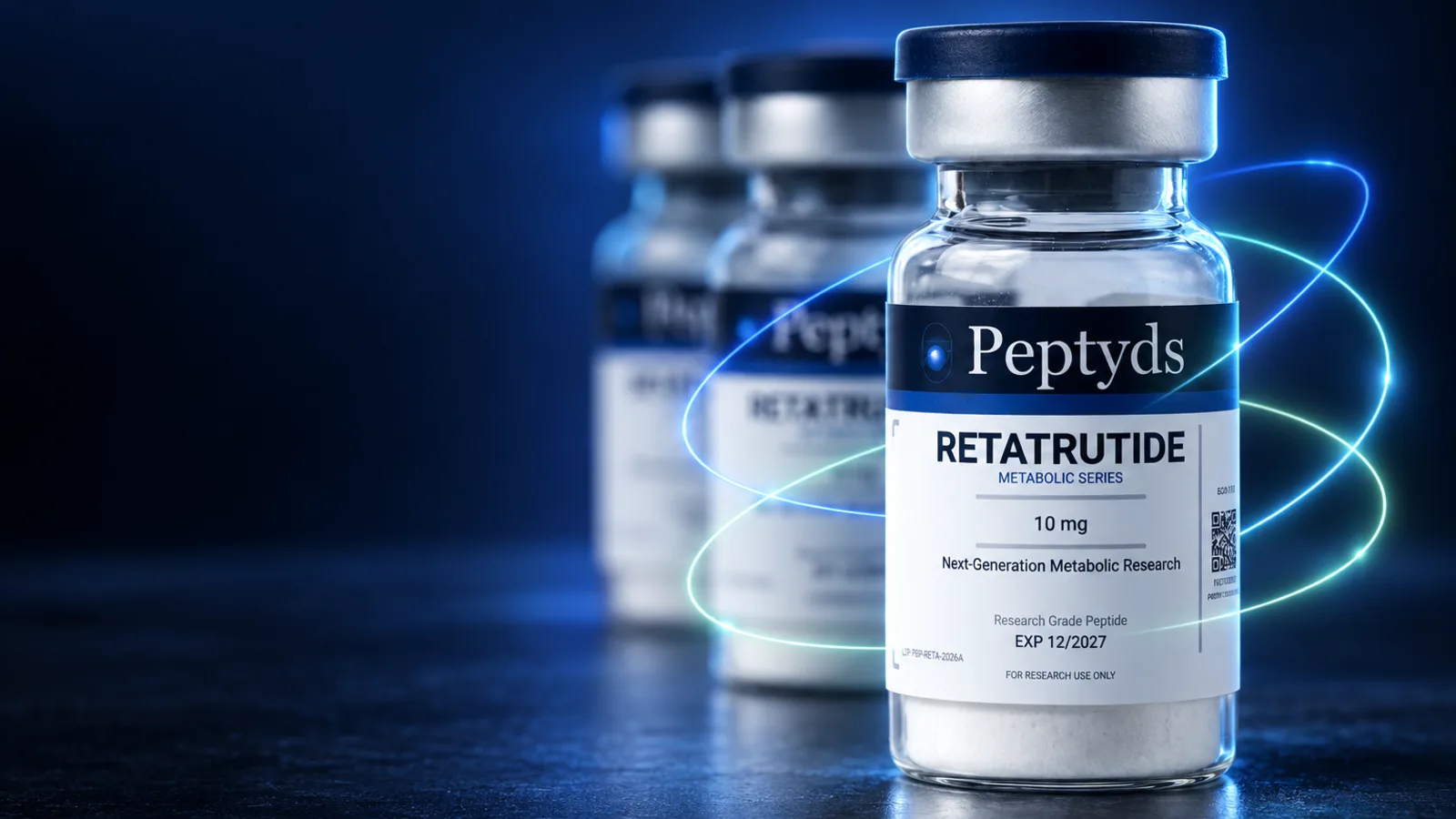
Retatrutide is the most-discussed investigational weight-loss peptide online. The published record is narrower than the hype: strong phase 2 data, a first phase 3 trial in diabetes, and open questions on long-term safety.
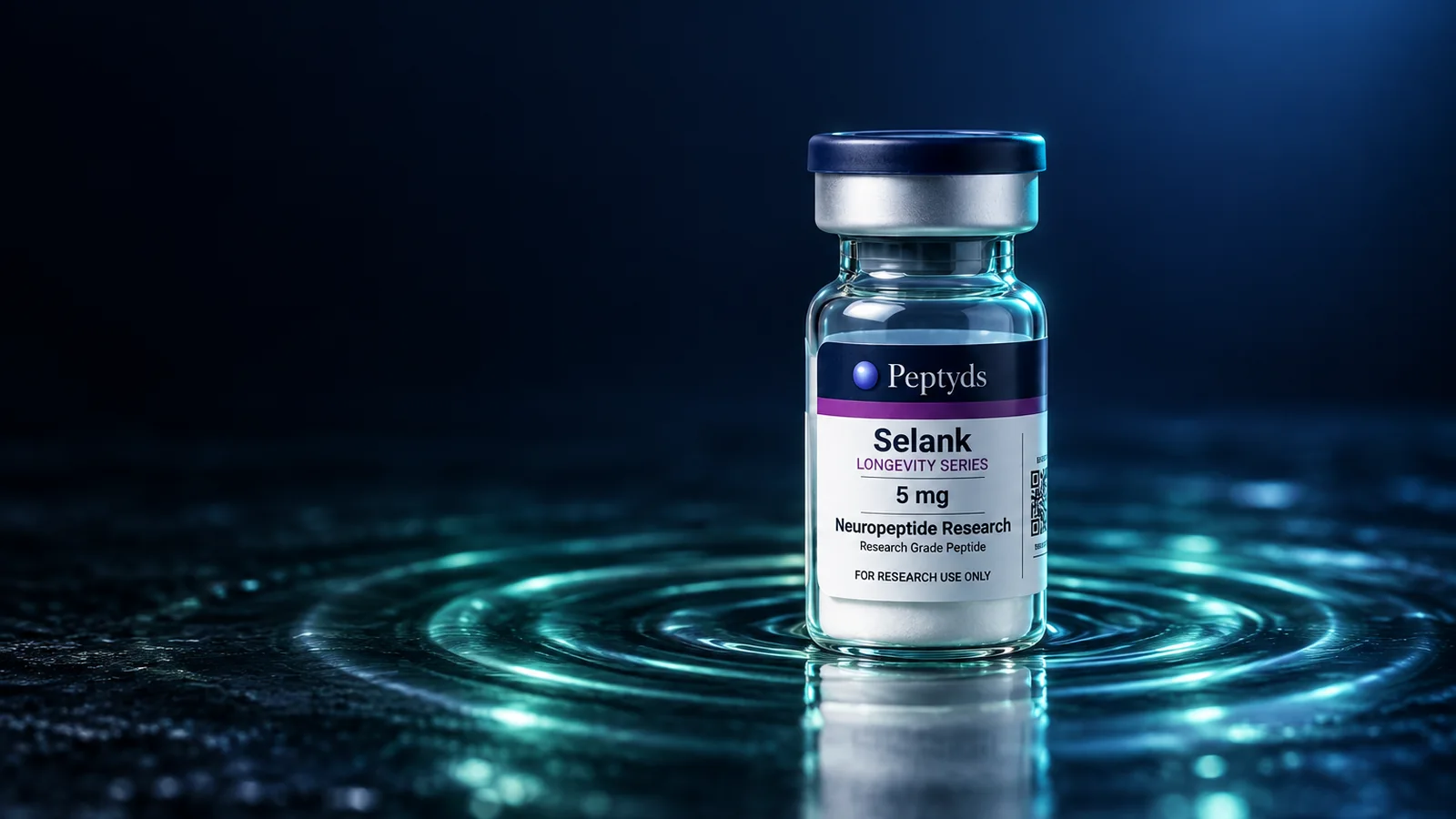
The selank peptide is a seven-amino-acid analogue of tuftsin, studied in Moscow as an anxiolytic. The honest version separates enzyme, gene-expression and rodent data from a handful of small Russian clinical studies — and from the claims that outrun both.

Semax is a seven-amino-acid analogue of an ACTH fragment, studied mainly in Moscow for stroke and cognition. The honest version separates rat mechanism data and small Russian clinical reports from the claims made for healthy people.
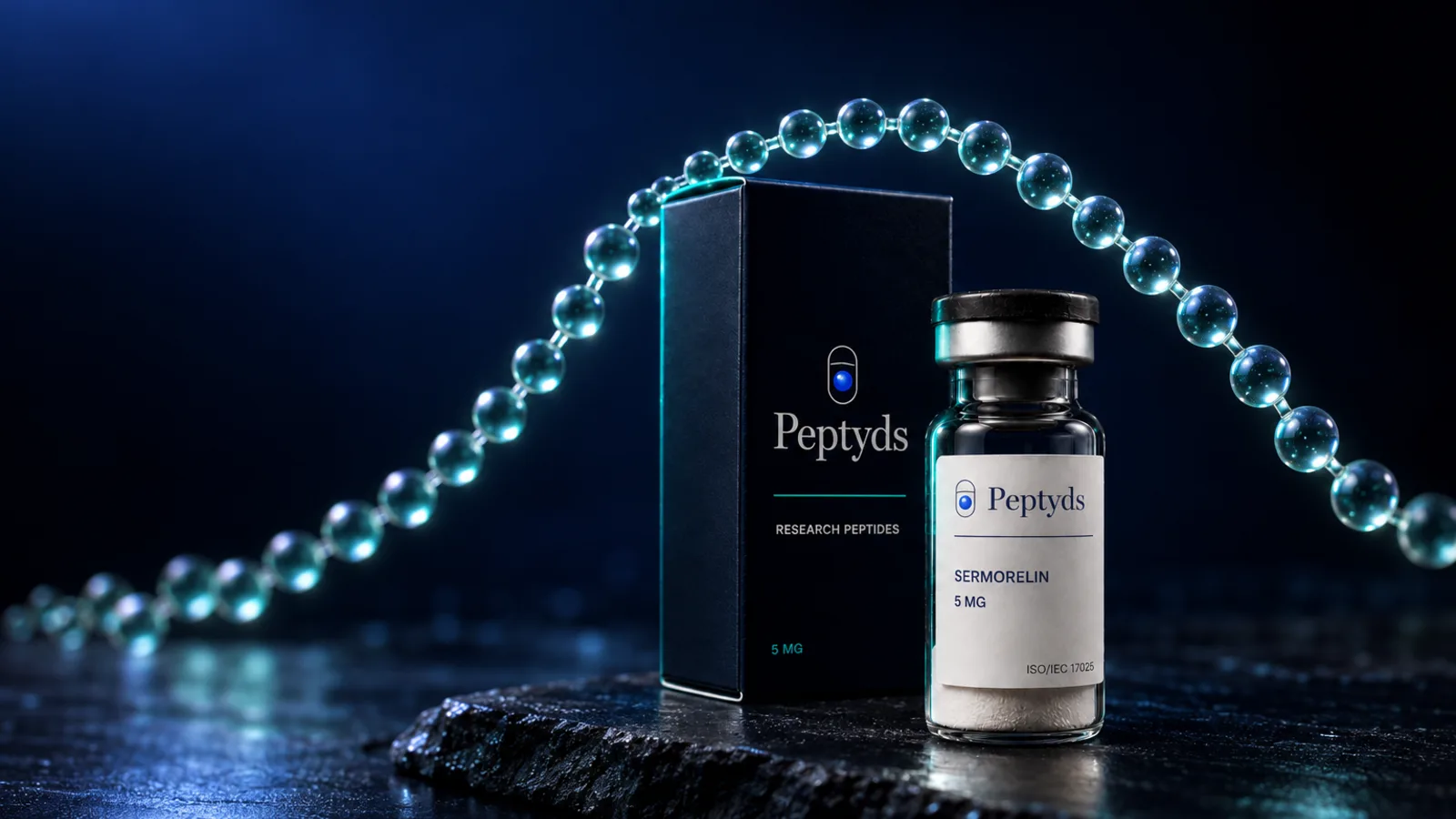
Sermorelin is the shortest fully active piece of GHRH and the only member of its family that was once an approved medicine. What the Geref-era data show, and what 'does sermorelin work?' honestly depends on.
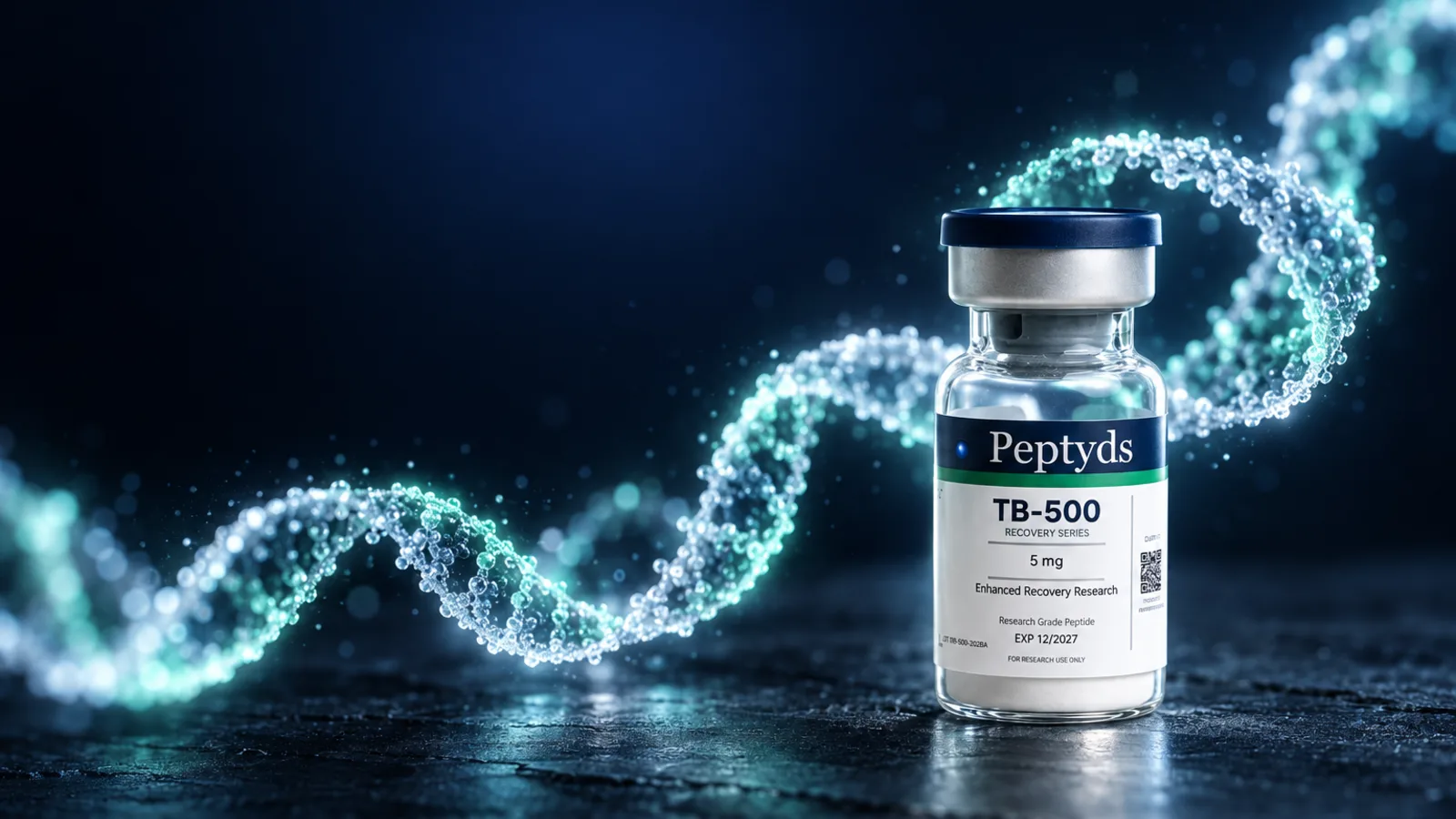
TB-500 is sold as a thymosin beta-4 research peptide, but the name covers more than one molecule, and most of the evidence comes from cells, rodents and trials of a different formulation. This guide separates what the literature supports from what it does not.
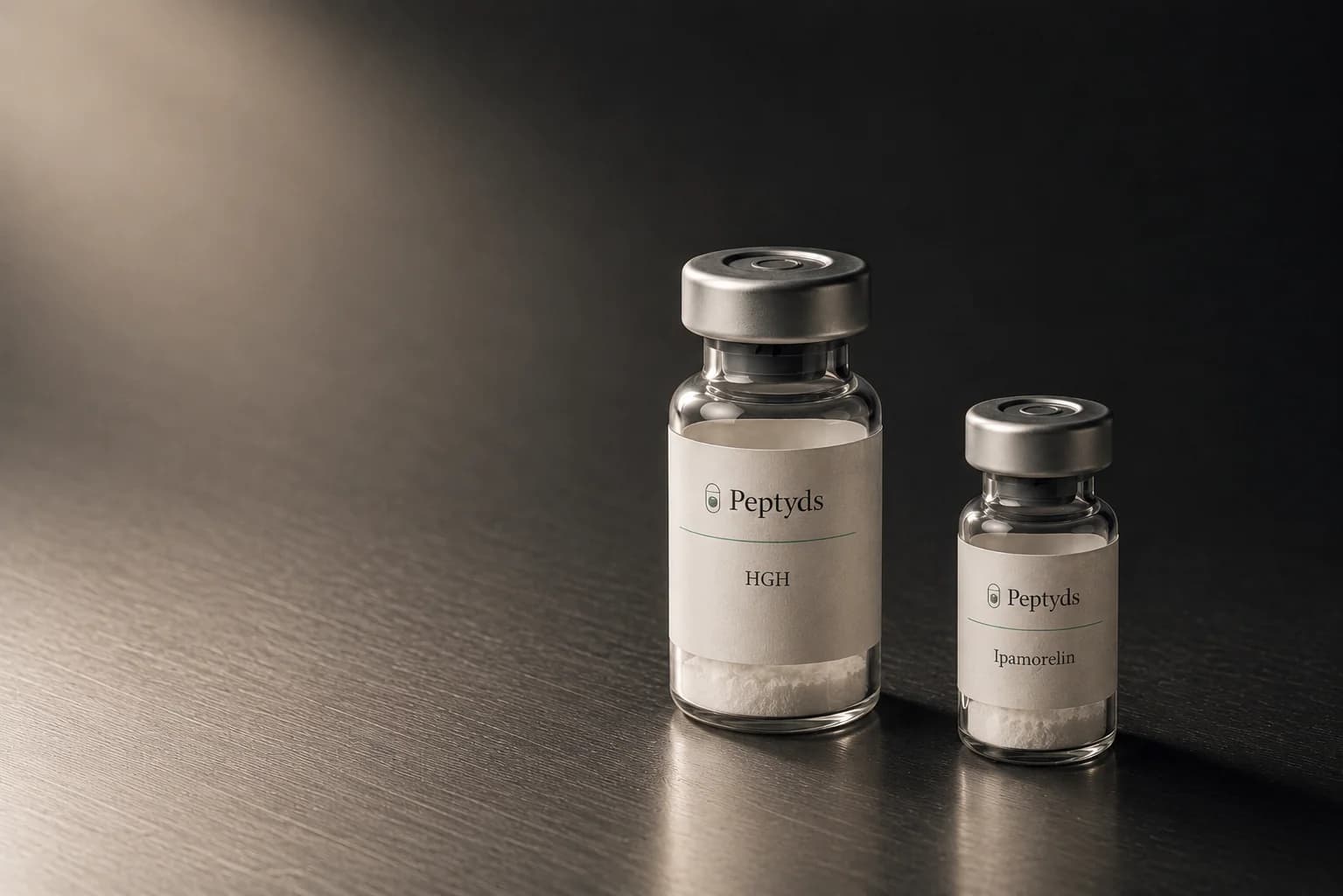
This is the question underneath the entire growth-hormone category, and most comparisons skip it: are you adding the hormone, or asking the body for more of its own?
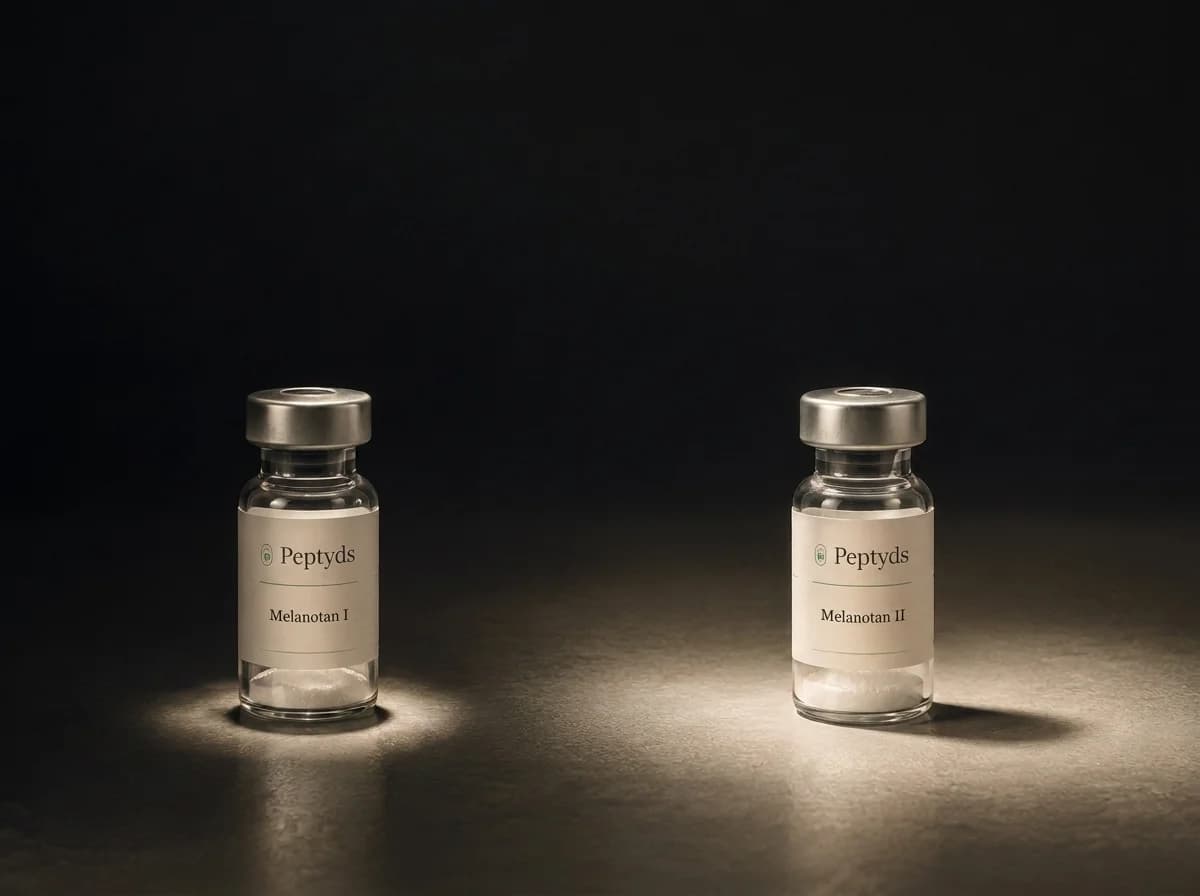
The numbering suggests a sequel. The pharmacology says otherwise: one binds narrowly, the other binds across a receptor family that governs far more than pigmentation.
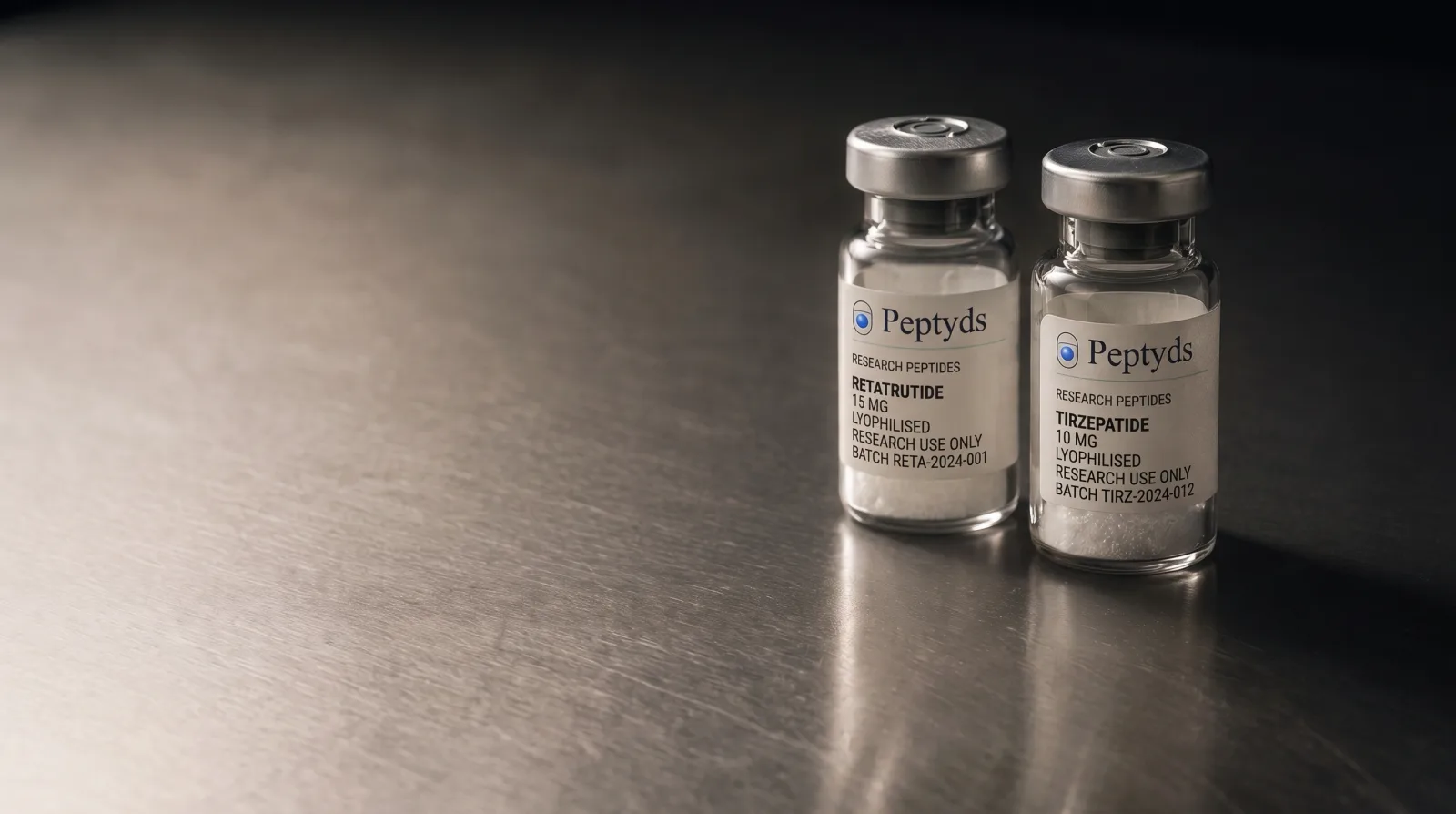
The two are usually compared on one number — how much weight came off. That number favours retatrutide, and it is also the least useful basis for choosing between them.
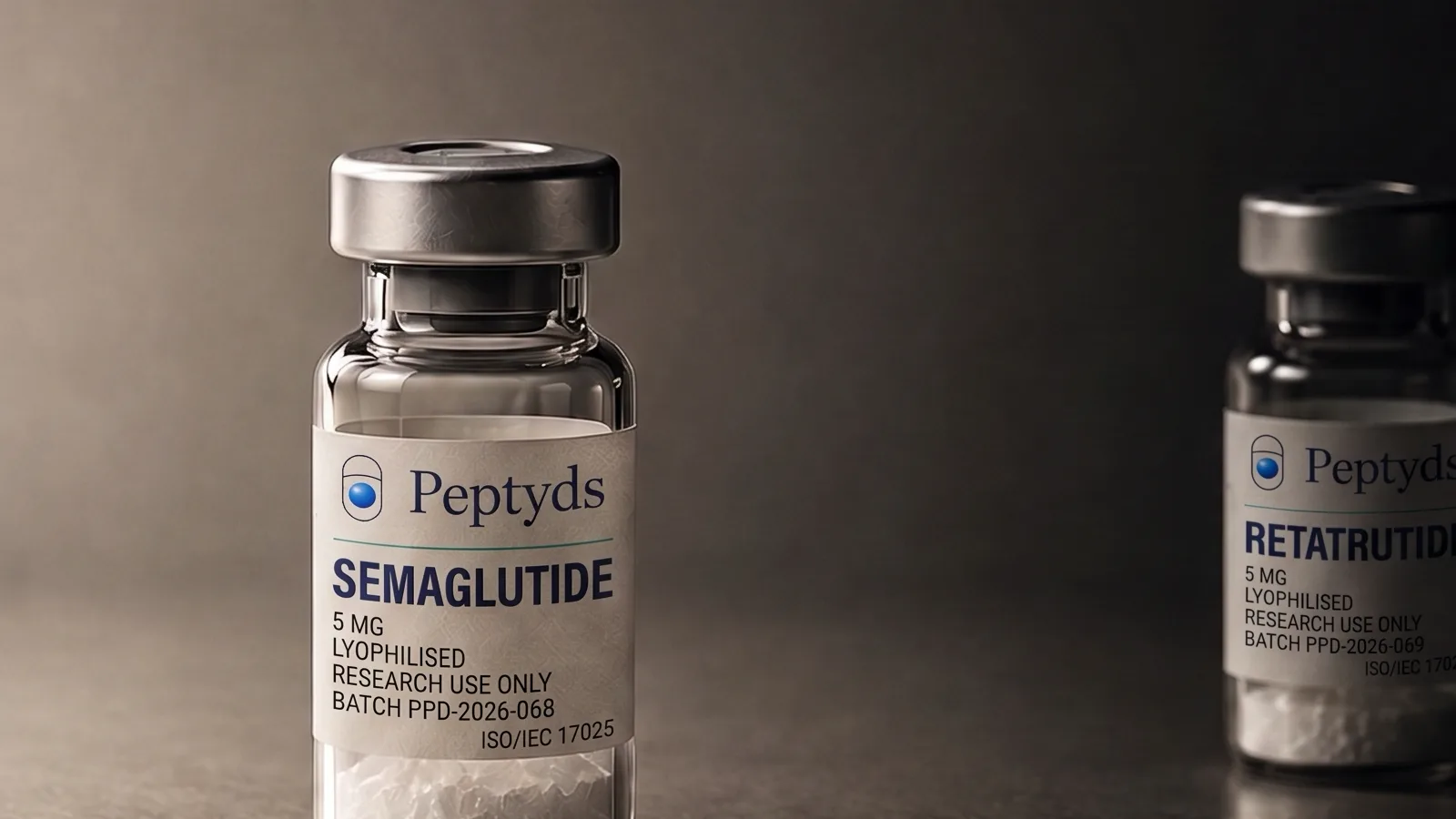
This pairing sets the widest gap in the GLP-1 family: one receptor against three, and a decade of authorised use against a single published phase 2 trial.
Three molecules that all touch the GH/IGF-1 axis, three completely different mechanisms, three very different evidence bases. The honest comparison is structural, not which-is-best.
Tesamorelin is the rare GHRH analogue with a randomised-controlled-trial dataset behind it — but only in one specific clinical population. The honest version separates that data from the consumer marketing.
BPC-157 is one of the most-asked-about research peptides on the internet. The honest version of the story starts in a 1990s gastric-juice protein purification and ends with a regulatory map.

BPC-157 and TB-500 are two of the most-asked-about recovery research peptides. They have different sequences, different mechanism stories, and the same evidence honesty problem.

CJC-1295 and ipamorelin are talked about together because they hit two different parts of the growth-hormone axis. The interesting part of the comparison is mechanism, not which one is 'stronger'.
GHK-Cu and BPC-157 both show up in 'best peptide for skin' searches, but they sit in different research neighbourhoods and use different delivery routes.
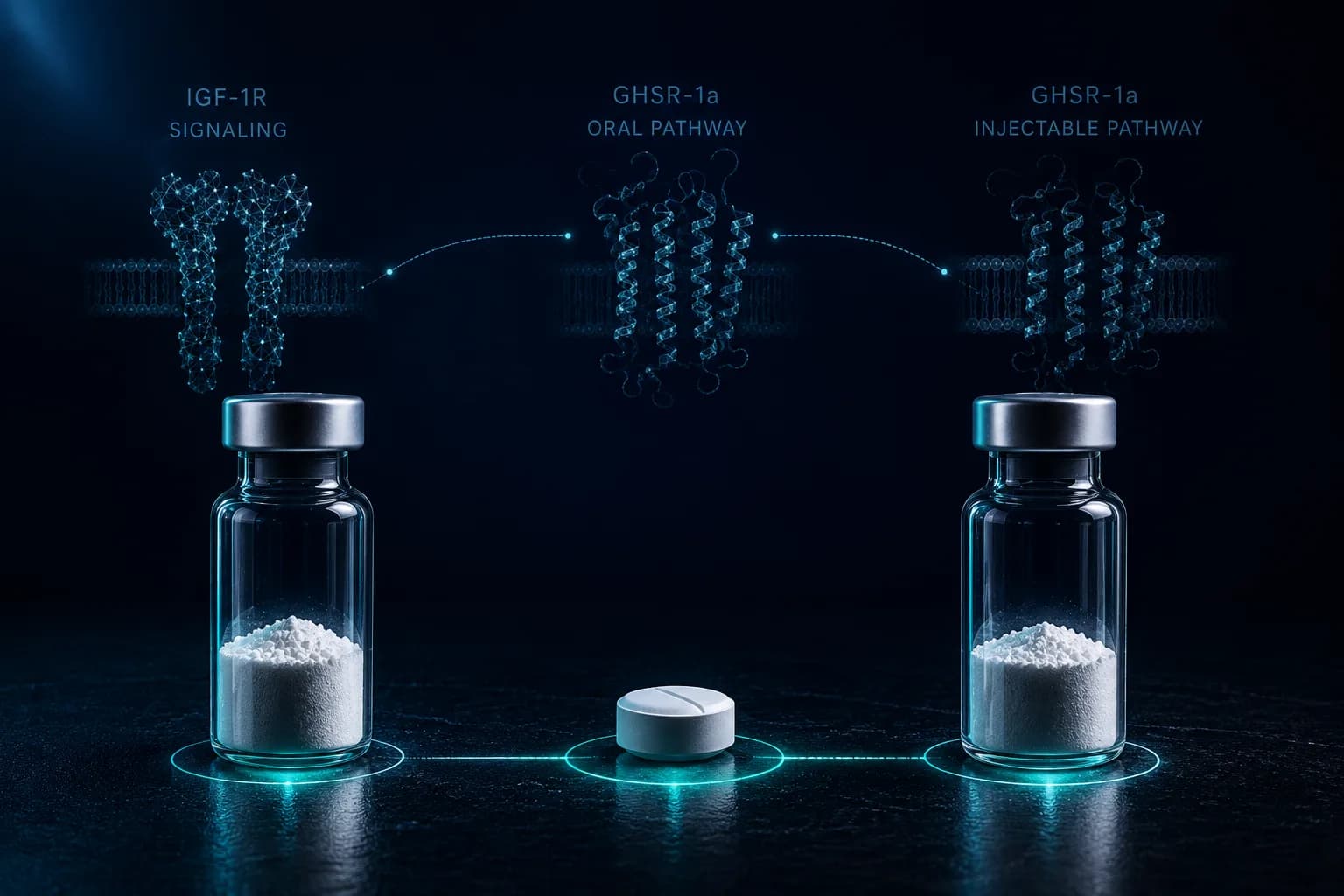
Both molecules hit the same ghrelin receptor. One is an injectable pentapeptide, the other is an oral small molecule. The mechanism overlaps; almost everything else doesn't.
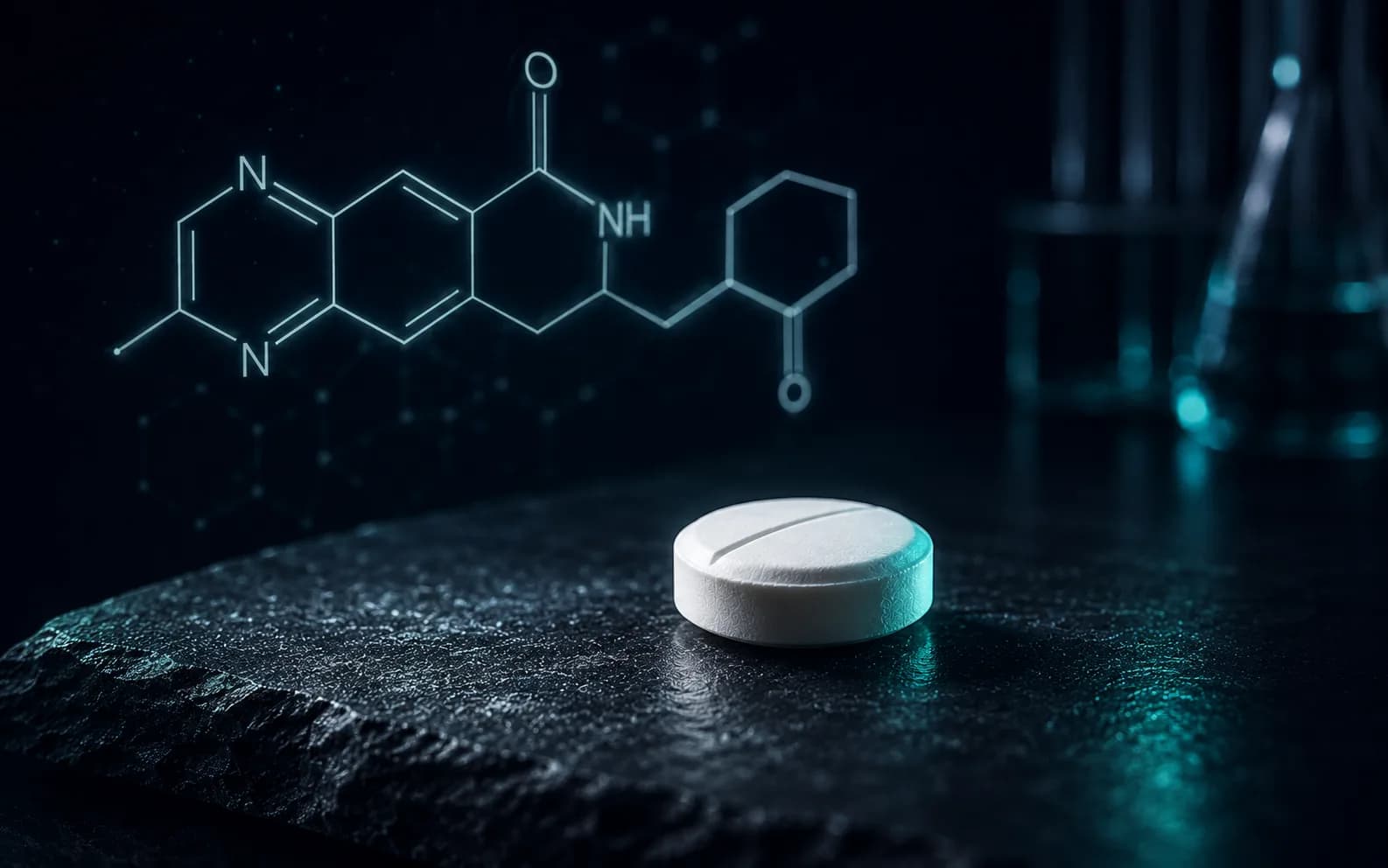
MK-677 (ibutamoren) is a non-peptide small-molecule oral ghrelin-receptor agonist. Most marketing calls it a peptide. This guide corrects the category and walks through the actual research.
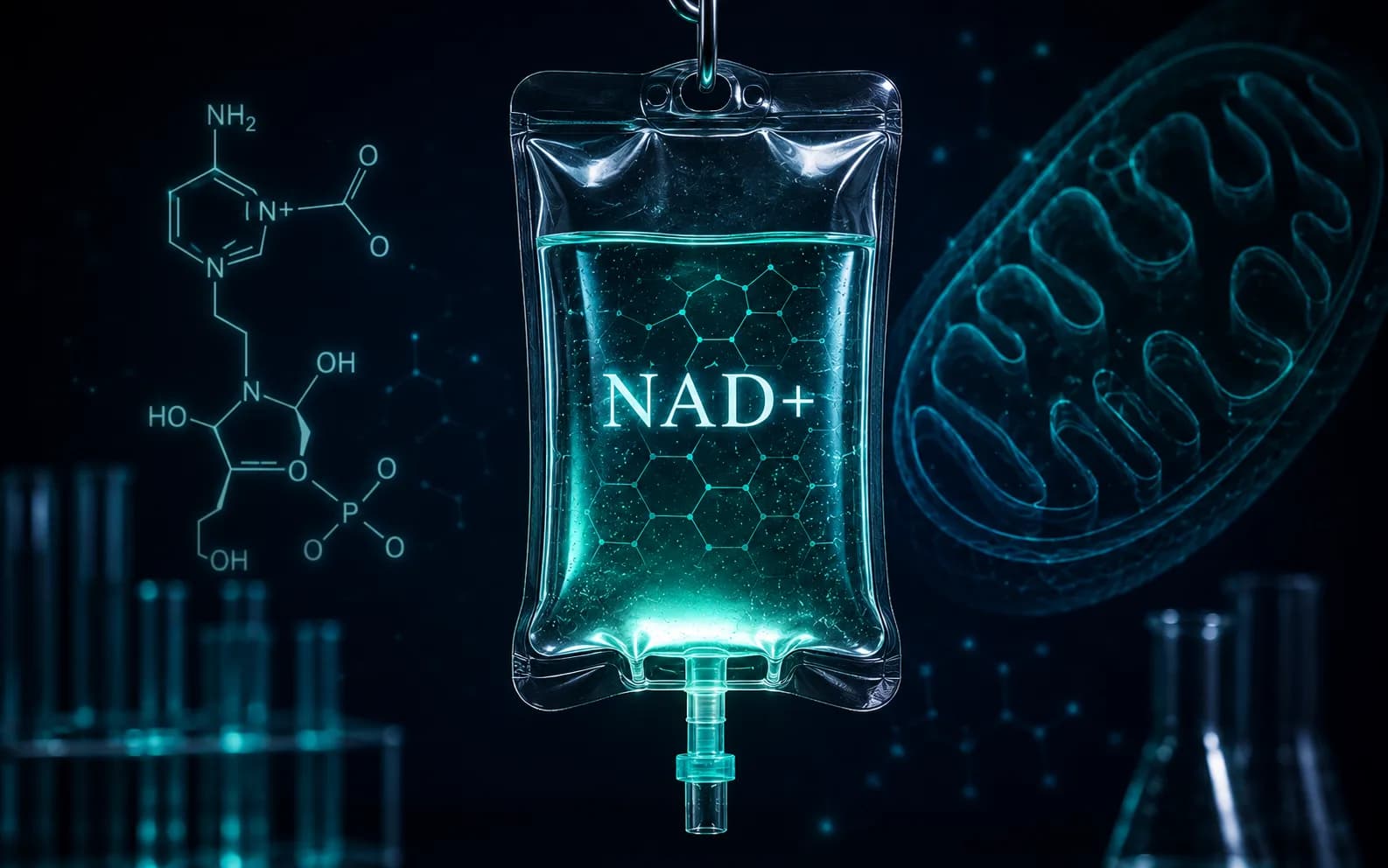
NAD+ is not a peptide. It is a dinucleotide coenzyme central to sirtuin biology, DNA-damage repair, and cellular energy. This guide separates the published mechanism from the marketing.

PT-141 and Melanotan II share a chemical family but split completely on regulatory approval and safety. The mole-and-melanoma question is not optional reading.

Three GLP-1 family peptides, three different receptor mechanisms, three different regulatory positions in Europe. Here is what the published trials and the EMA EPARs actually say.

Sermorelin, CJC-1295 and tesamorelin are three different points on the same GHRH map. None is EMA-authorised; only tesamorelin is an approved medicine (FDA, HIV-associated lipodystrophy) — and that matters more than any forum stack ever will.

Animal-model researchers pair BPC-157 and TB-500 because the two peptides work through different mechanisms. The literature is preclinical, the marketing is louder than the evidence.

BPC-157 is discussed widely, but the literature is mostly about mechanisms and preclinical models. This guide keeps the boundaries clear.
GHK-Cu has a real skin-research footprint, but formulation, route, and evidence limits still matter.

GLP-1 is no longer one simple bucket. Semaglutide, tirzepatide, and retatrutide sit in different evidence and mechanism contexts.
Quality & verification
How purity is actually proven: reading a certificate of analysis, what an HPLC trace shows, and separating cited research from marketing claims.
Retatrutide is not an approved retail medicine, so a vial's label is not proof of what is inside. Here is how mass spectrometry confirms identity, how HPLC estimates purity, and what published testing of grey-market GLP-1 products has actually found.
'Grey market' describes where a peptide is sold, not what is in the vial. Published test purchases show what goes wrong — and which documents would have caught it.
'Pharma grade' and 'research grade' sound like purity levels, but they describe different systems. What each term means, and what a 99% purity figure does and does not tell you.

A calm buyer's guide to CoA basics: what to check, what a purity number can and cannot prove, and how Peptyds routes quality proof.

HPLC is a useful purity signal, but it should be read with method context, chromatogram quality, and identity confirmation.

A research-literate guide for reading peptide claims: study type first, human relevance second, buying decision third.
Handling & storage
Reconstitution, cold chain, lyophilised stability, and the storage mistakes that quietly degrade a vial before it is ever used.
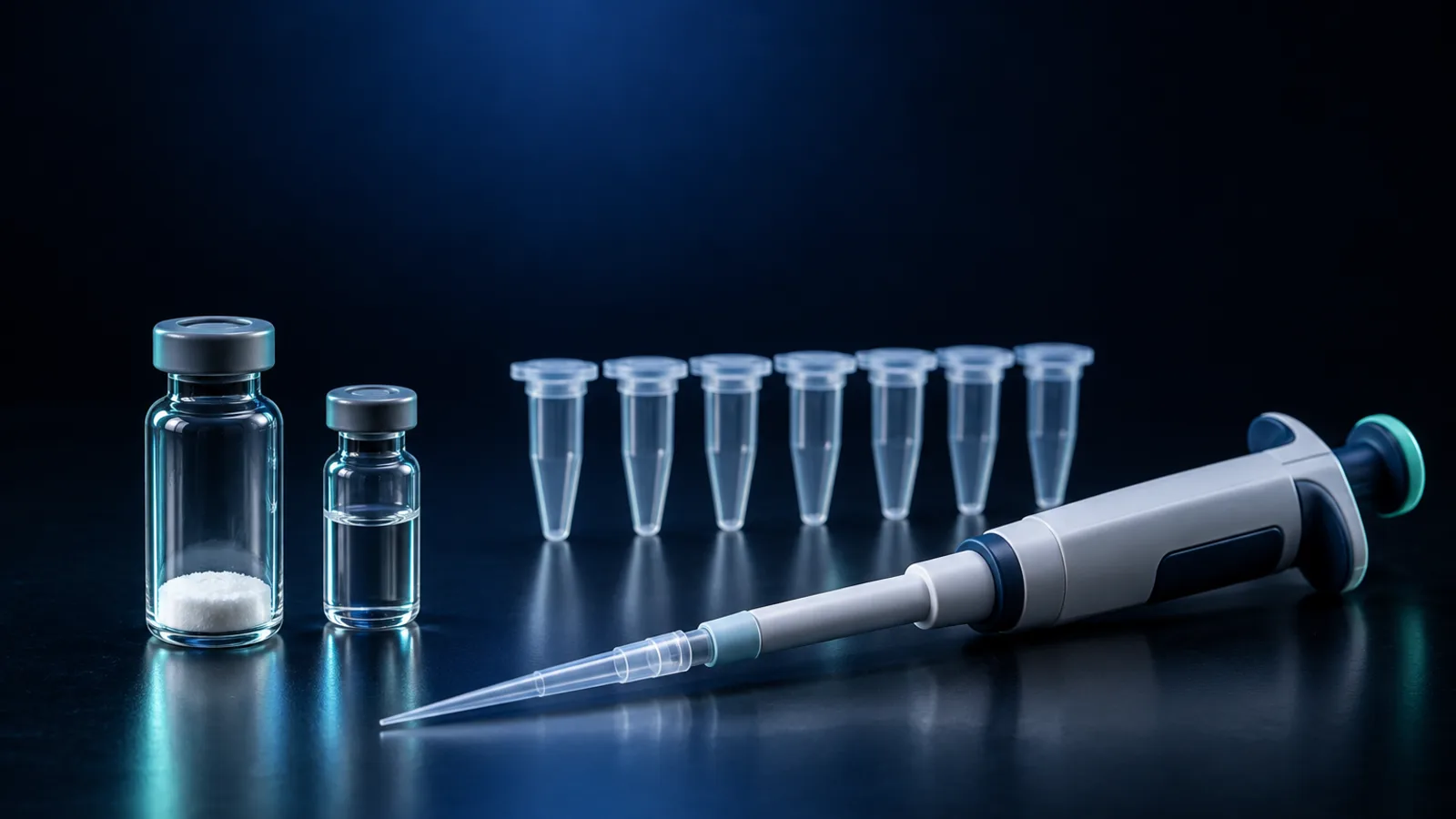
Reconstitution is the moment a sterile lyophilised peptide meets bacteriostatic water — done well, it preserves the molecule; done badly, it wastes the batch. Here is the calm version.
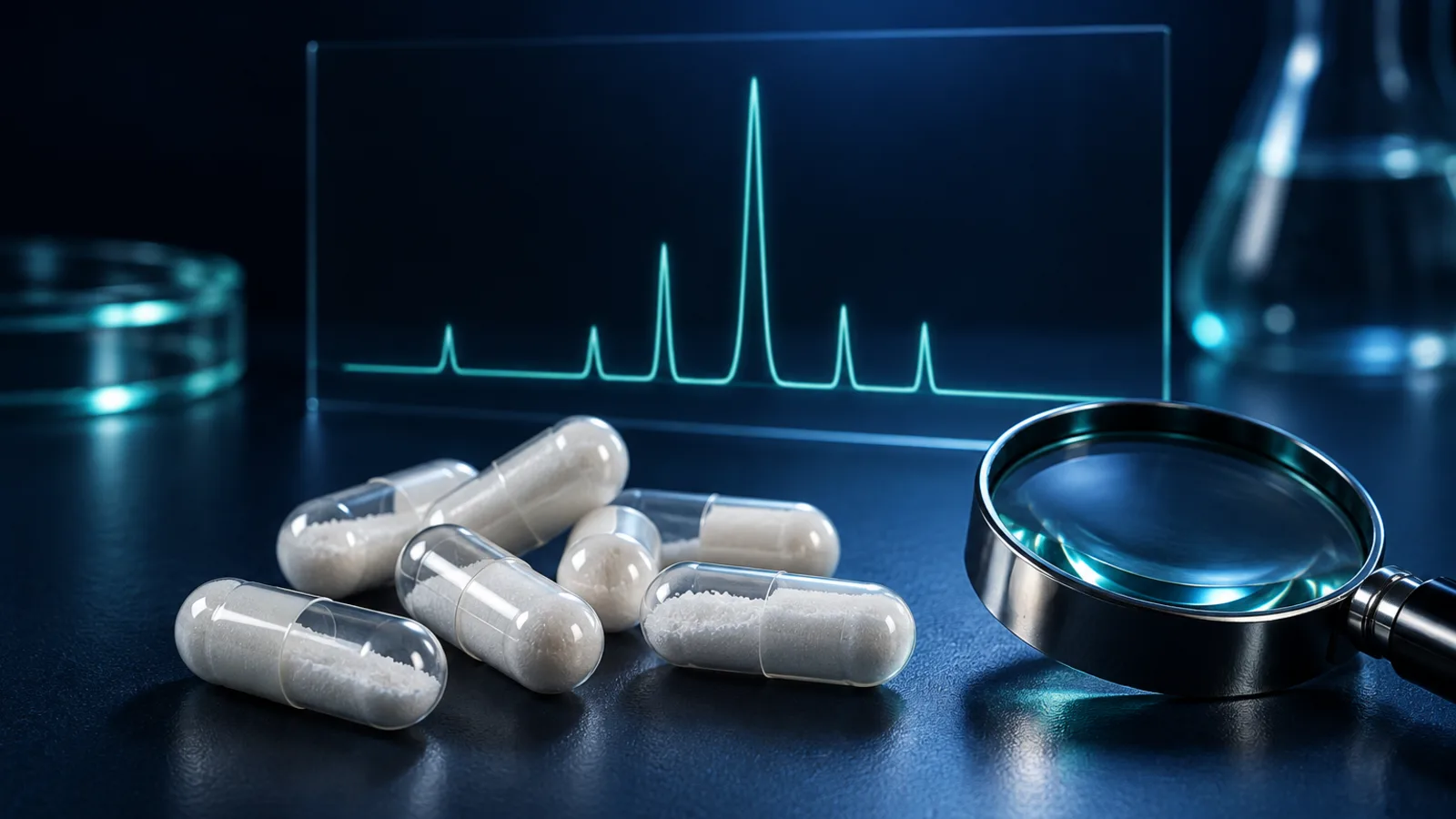
BPC-157 capsules are sold on a gastric-stability claim with real rodent evidence behind it — and no published human oral trial. Here is what the research record actually shows, and what a capsule label can't prove on its own.

Peptide safety has no single answer: FDA-reviewed peptide drugs carry trial-documented adverse-event data, while many research peptides have little to no published human safety data at all.
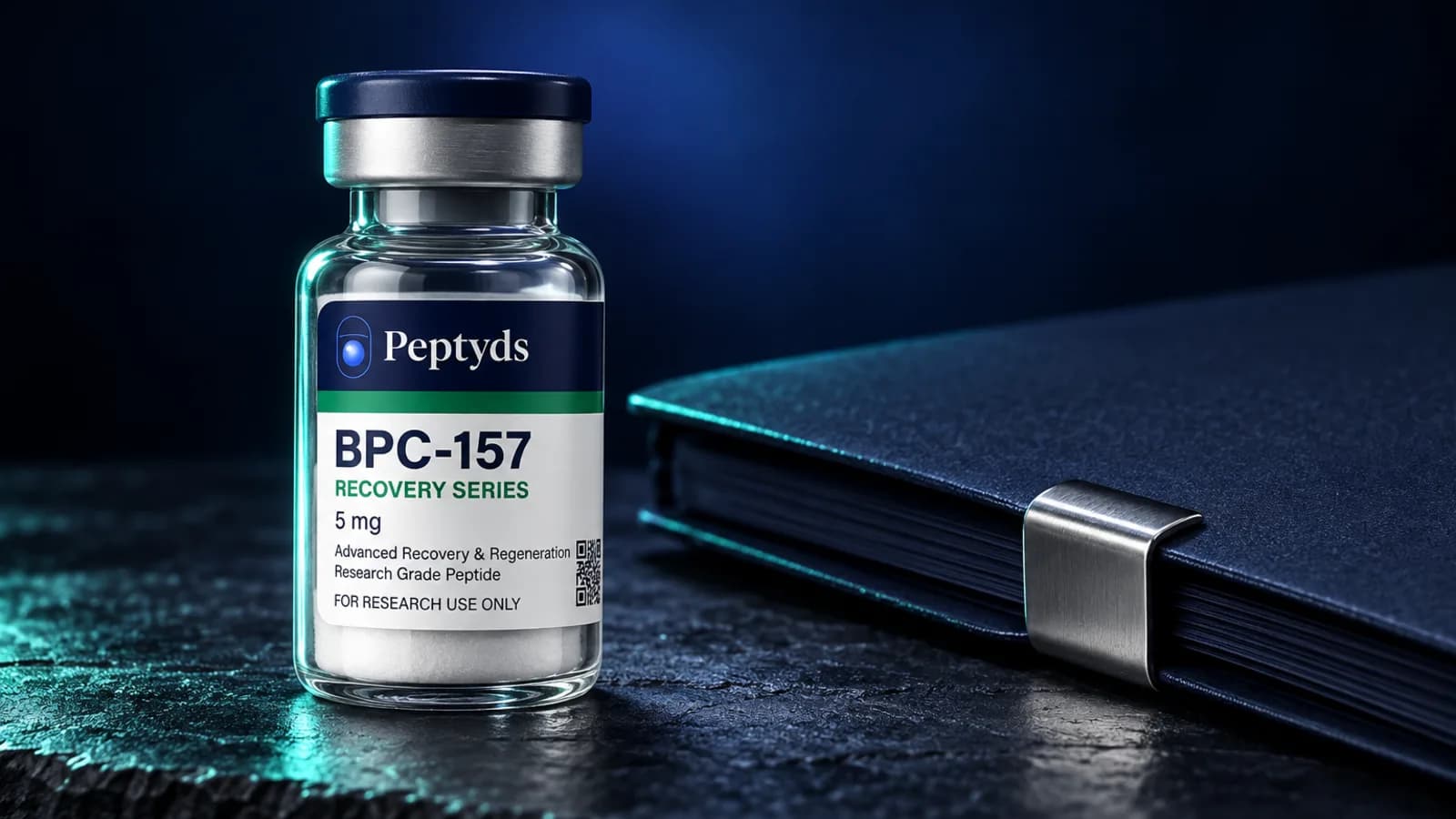
BPC-157 has a large animal-toxicology record and three very small human pilot studies. Searchers asking about its side effects deserve to know exactly what that record does, and does not, show.
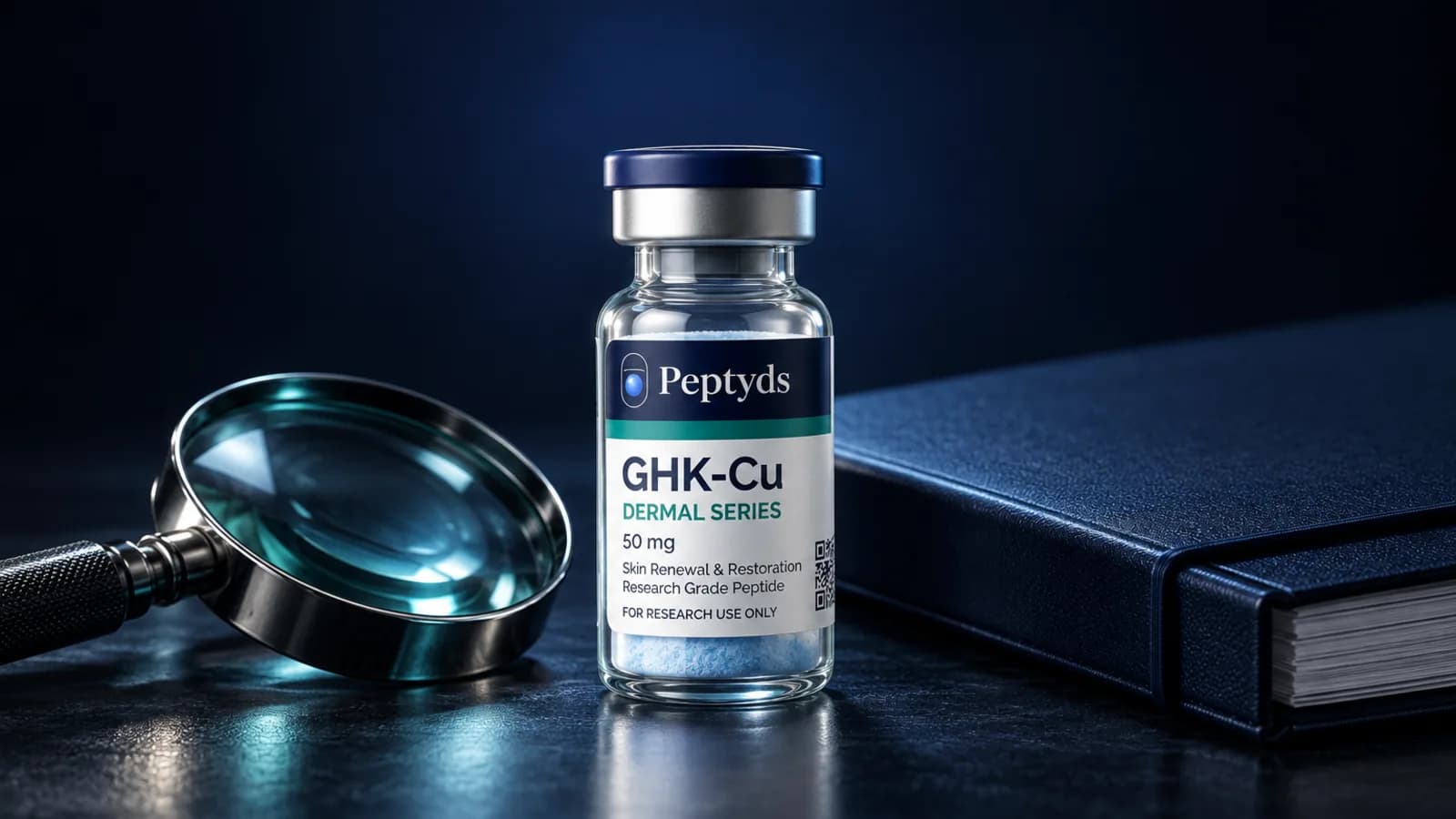
GHK-Cu's published safety record splits sharply by route: reassuring small-scale topical and laboratory evidence on one side, and an explicit FDA note about limited human data for injected GHK-Cu on the other.

Cold-chain shipping is a quality system: packaging, handover, delivery timing, and exception handling all matter.

Lyophilization is about stability, moisture control, and transport confidence - not drama around fragile vials.

Most storage mistakes are not dramatic. They are small process failures: unclear instructions, moisture exposure, light, and avoidable temperature swings.
Buying in Europe
EU legal status, what a compliant European supplier looks like, and what to check before a first order ships.

The European legal landscape for peptides is more textured than a single rule. A clear read of the 2026 framework separates EMA-authorised medicines, unapproved research compounds, national variation, and competitive-sport rules.

Five concrete checks before checkout: batch CoA from an independent lab, EU fulfilment, temperature handling, transparent storage info, identifiable seller.