

Recovery peptides are short signaling molecules studied for tissue repair, anti-inflammatory cascades, and microvascular growth in musculoskeletal research.
Recovery
All products listed under this goal are supplied for in vitro laboratory research only and are not intended for human consumption or therapeutic use.
Peptides that support tissue repair and recovery — for routines that ask more of the body.
Recovery is framed around confidence, not hype: what it is for, what quality signals matter, and what product path makes sense first.
- What does recovery mean when we talk about peptides?
- How do I know the batch I'm buying has been tested?
- Which peptide fits a demanding training routine?
A short list of peptides that fit this goal.
We keep the choice focused. Every peptide here has a clear purpose, ISO/IEC 17025 lab testing, and a product page written without jargon.
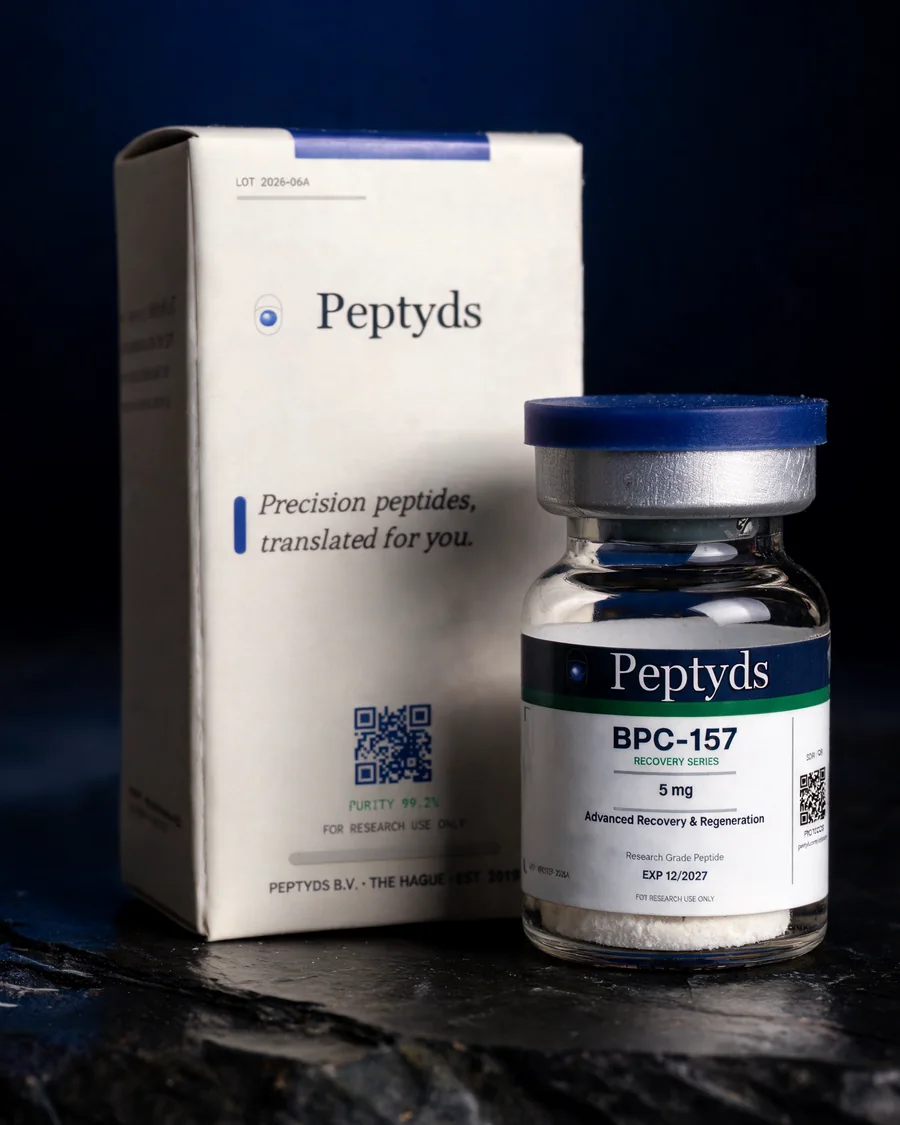
A recovery-focused peptide studied for its role in supporting the body's natural repair response — tendons, soft tissue, and gut-lining integrity.
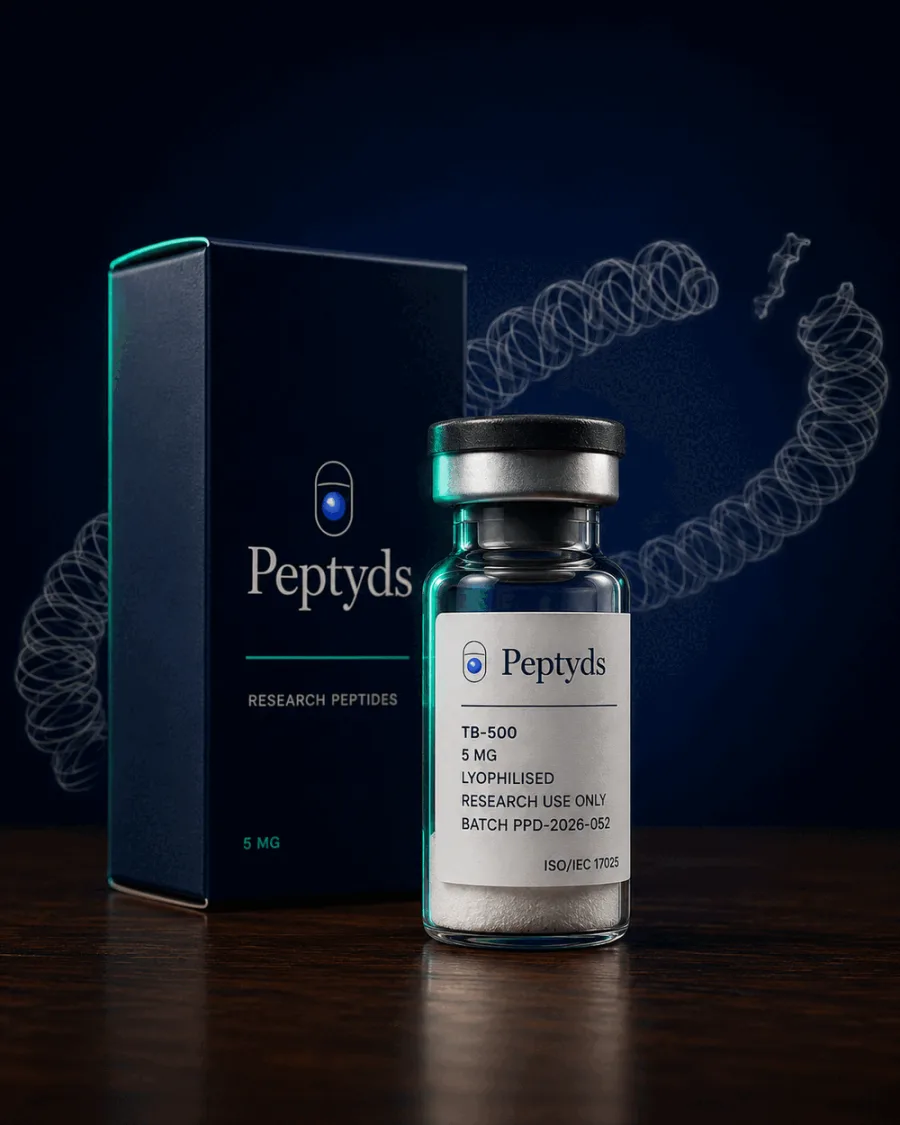
Thymosin Beta-4 fragment studied for tendon, ligament, and soft-tissue repair — a recovery-specialist peptide for high-demand training and rehabilitation routines.
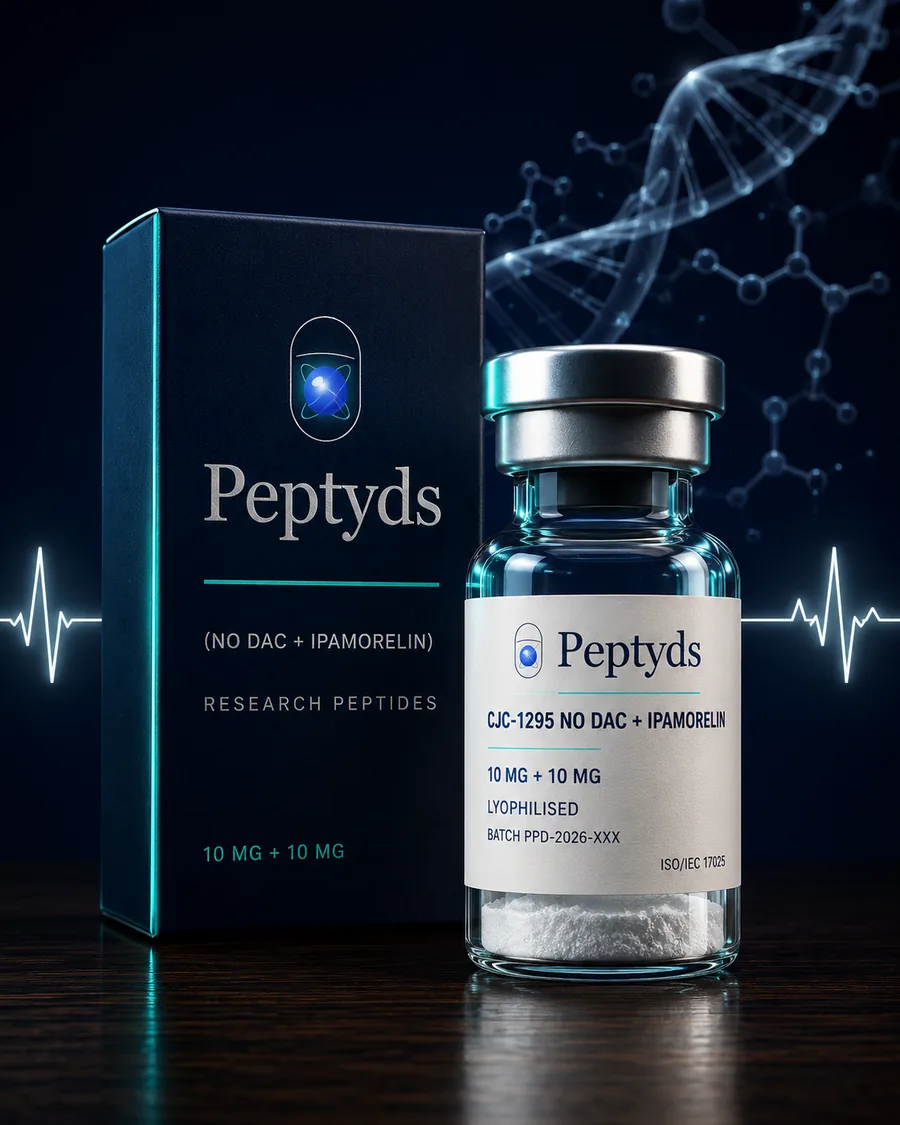
A dual-pathway GH secretagogue blend studied for synergistic, pulsatile growth hormone release — investigated in overnight recovery, sleep architecture, and body-composition research.
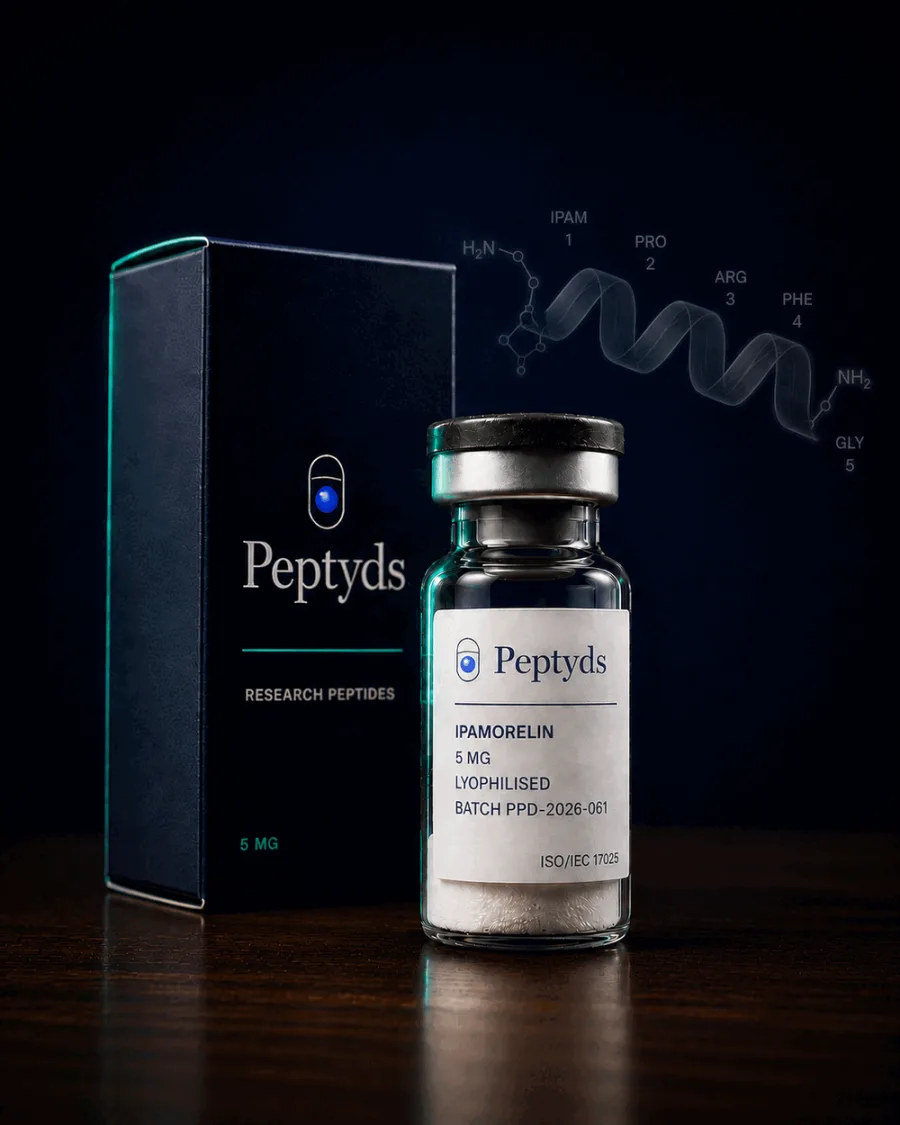
A selective GHRP studied for gentle, pulsatile growth hormone release — investigated in sleep depth, overnight recovery, and measured body-composition routines.
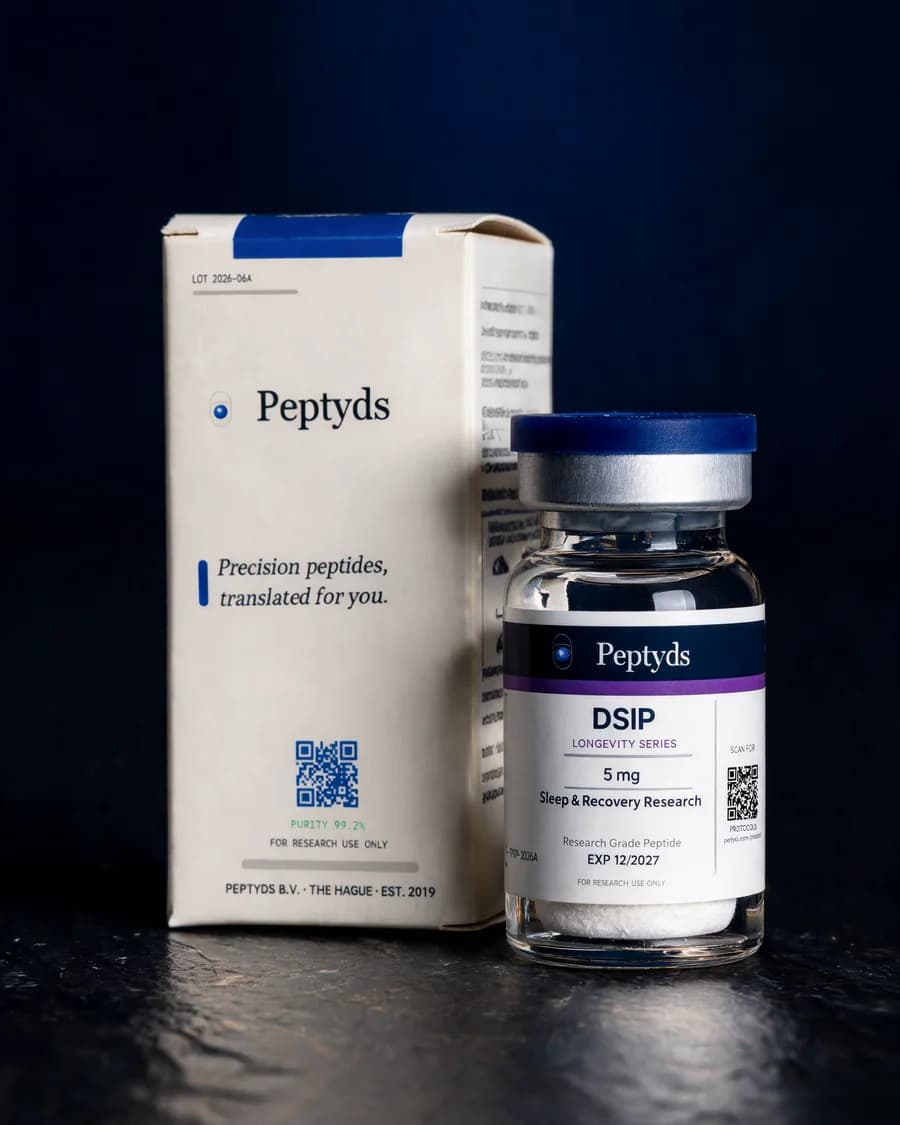
Sleep Architecture & Neuromodulation Research.
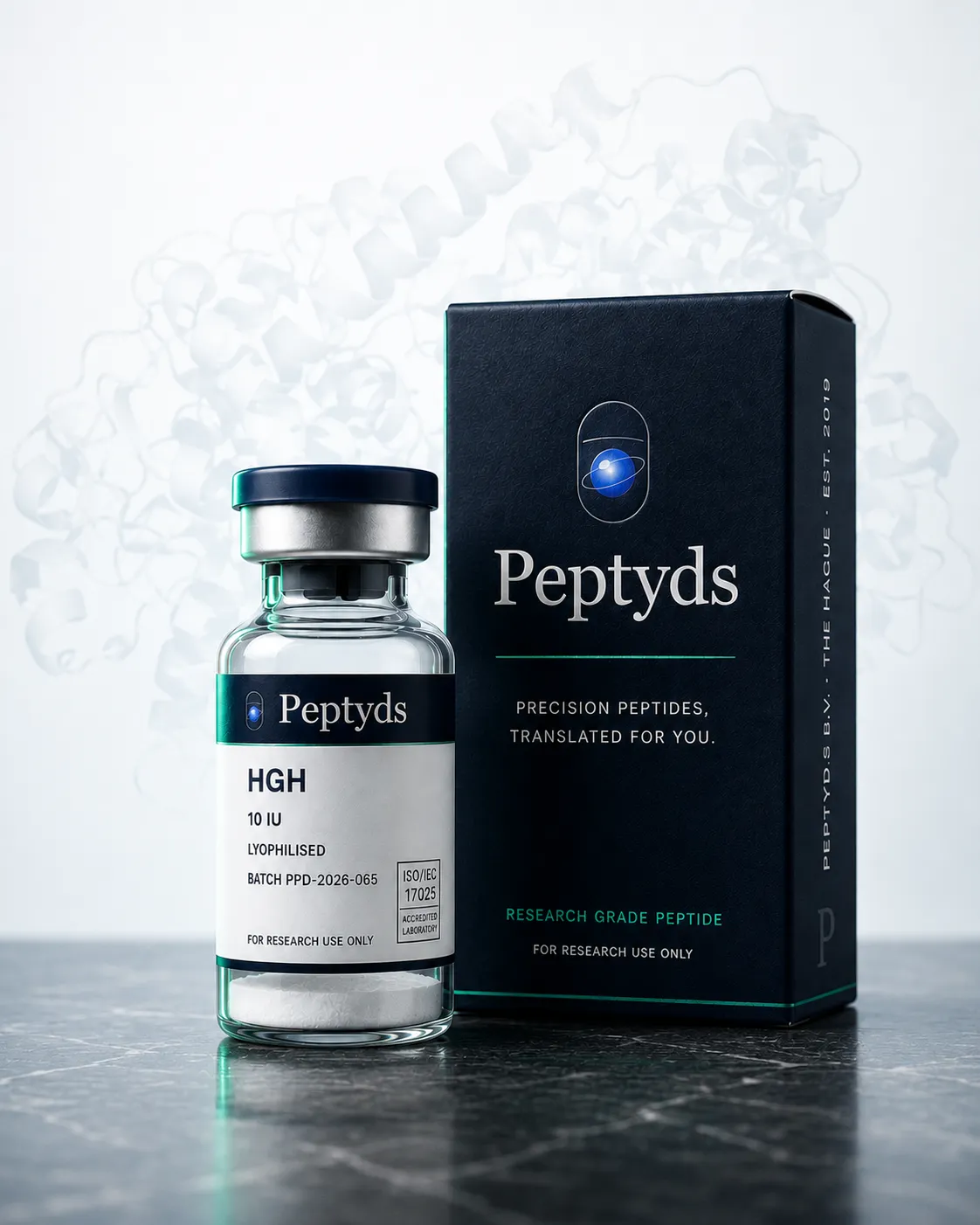
Endocrinology & Cellular Regeneration Research.
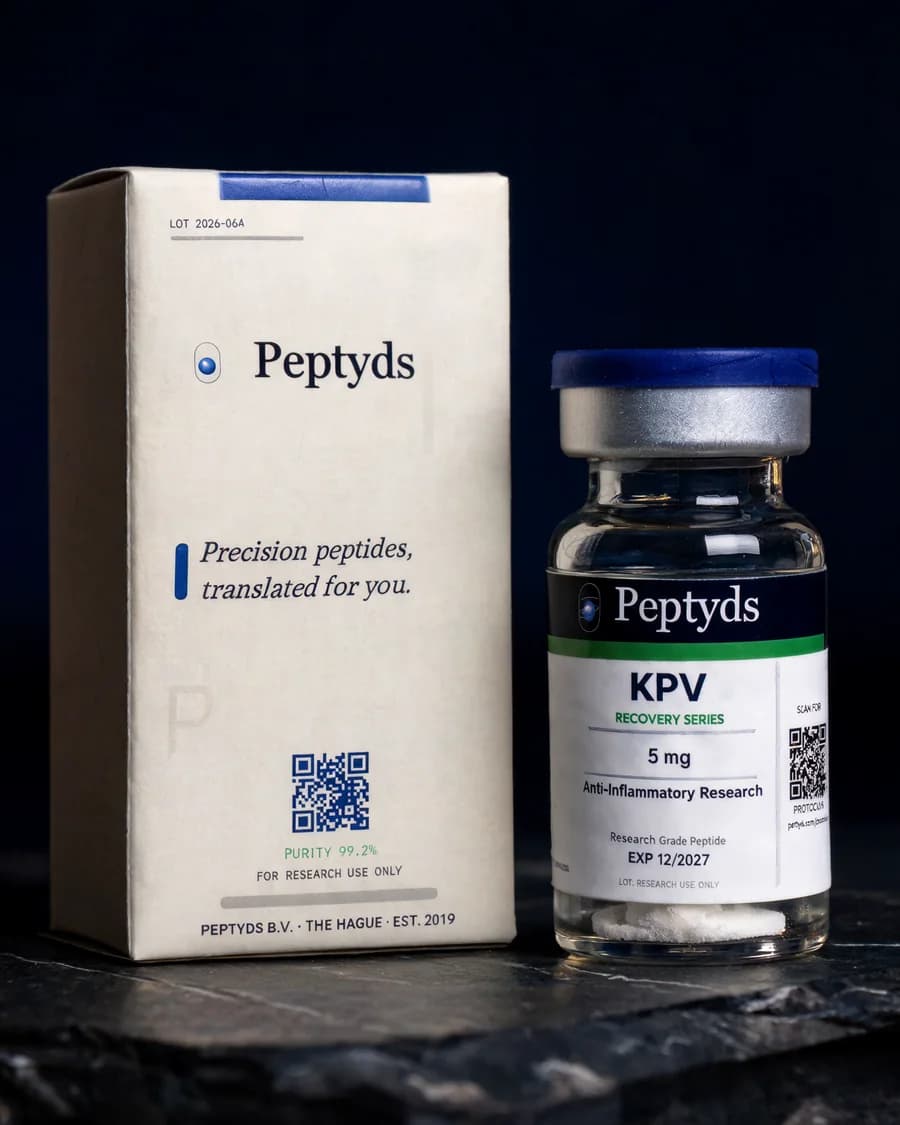
An alpha-MSH-derived tripeptide studied for its anti-inflammatory properties across gut, skin, and systemic inflammatory signalling pathways.
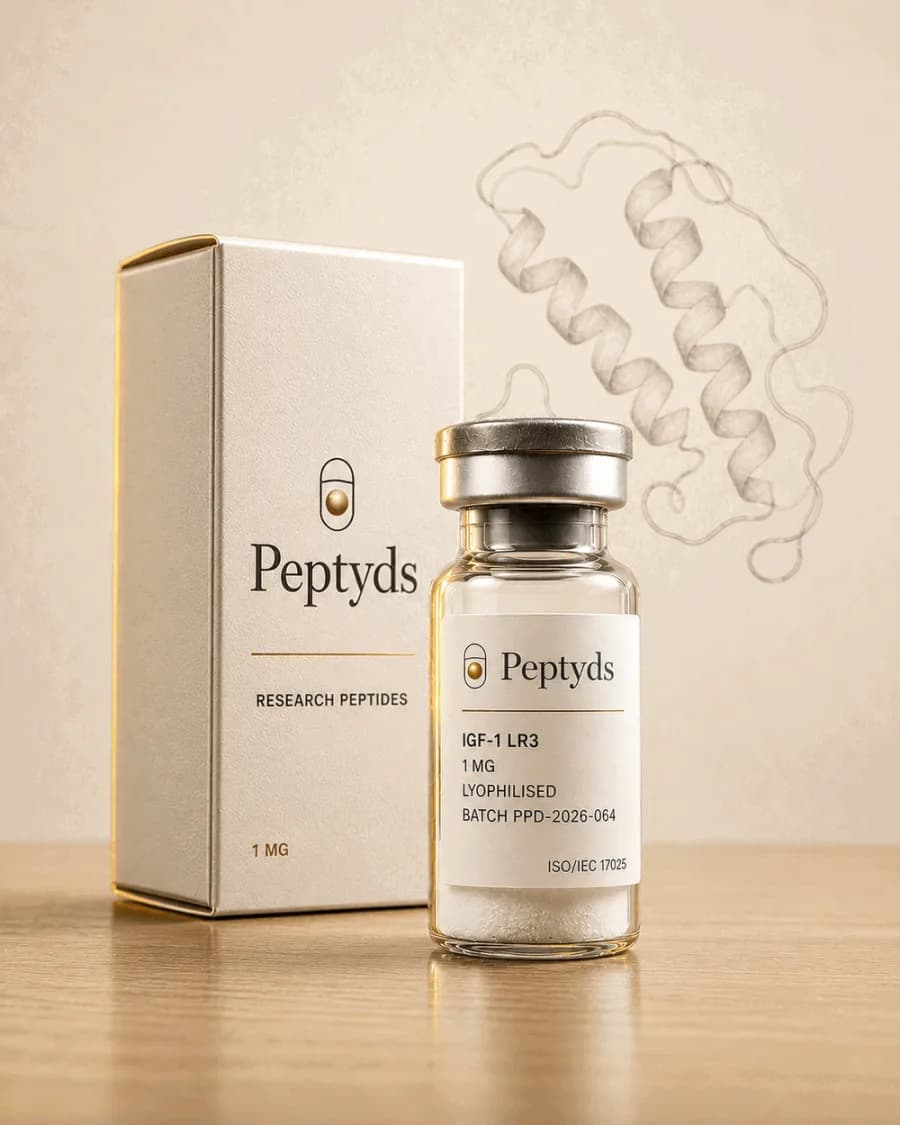
A long-acting IGF-1 analogue studied for anabolic signalling and measured body-composition support — framed for clinician-guided recovery protocols.
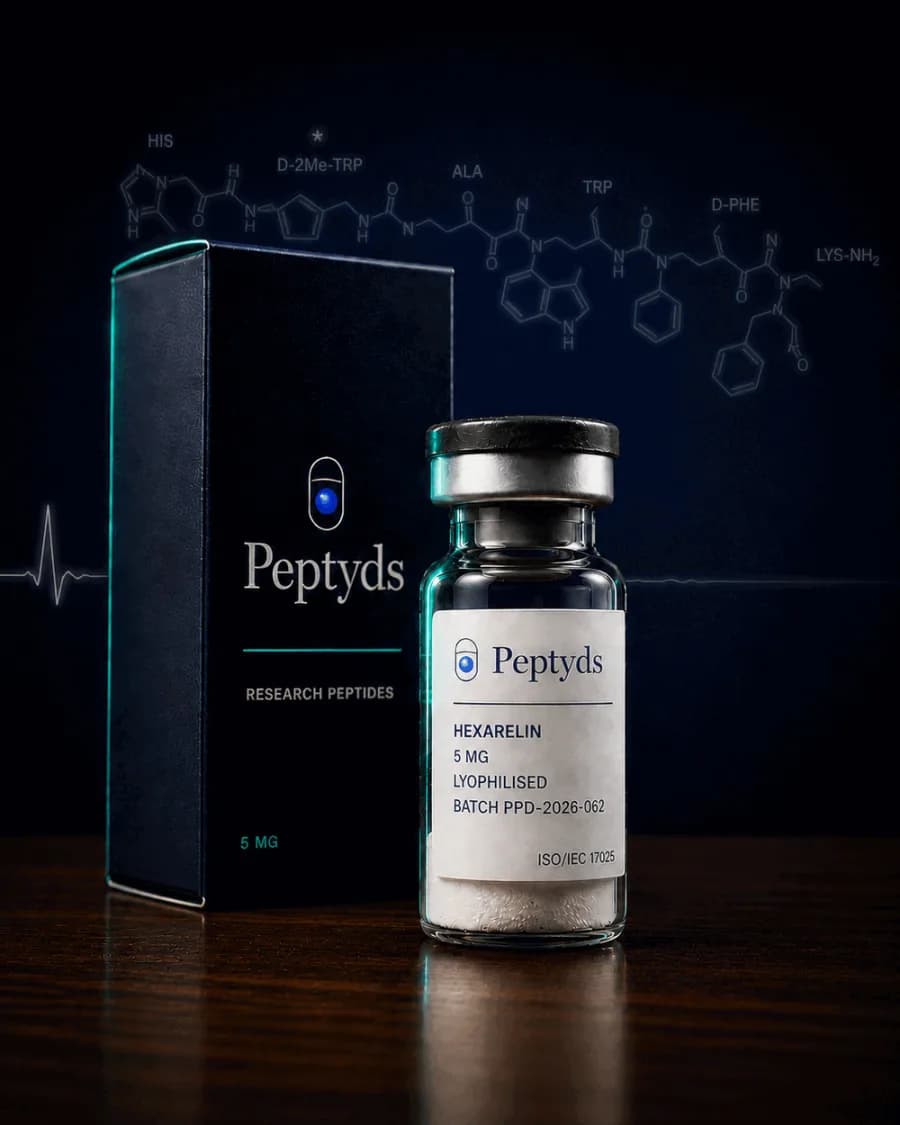
A potent GHRP studied for robust pulsatile GH release — investigated in sleep depth, overnight recovery, and short-cycle performance protocols.
- repair-pathways
- storage-integrity
Each release is matched with quality documentation through a documented verification path. Identity, purity, and composition test results sit on the product page before you buy.
Every batch is verified by an ISO/IEC 17025-accredited laboratory before release. Identity, purity, and documentation travel with the product — not behind a form.
A calm buyer's guide to CoA basics: what to check, what a purity number can and cannot prove, and how Peptyds routes quality proof.
HPLC is a useful purity signal, but it should be read with method context, chromatogram quality, and identity confirmation.
Lyophilization is about stability, moisture control, and transport confidence - not drama around fragile vials.
Cold-chain shipping is a quality system: packaging, handover, delivery timing, and exception handling all matter.
A research-literate guide for reading peptide claims: study type first, human relevance second, buying decision third.
BPC-157 is discussed widely, but the literature is mostly about mechanisms and preclinical models. This guide keeps the boundaries clear.
Animal-model researchers pair BPC-157 and TB-500 because the two peptides work through different mechanisms. The literature is preclinical, the marketing is louder than the evidence.
This is the question underneath the entire growth-hormone category, and most comparisons skip it: are you adding the hormone, or asking the body for more of its own?
Goal-led shopping helps guided buyers compare research context, quality proof, and product fit without decoding every molecule first.
Most storage mistakes are not dramatic. They are small process failures: unclear instructions, moisture exposure, light, and avoidable temperature swings.
Five concrete checks before checkout: batch CoA from an independent lab, EU fulfilment, temperature handling, transparent storage info, identifiable seller.
Peptides are short chains of amino acids — typically 2 to 50 — joined by peptide bonds. Smaller than proteins, larger than single amino acids.
BPC-157 and TB-500 are two of the most-asked-about recovery research peptides. They have different sequences, different mechanism stories, and the same evidence honesty problem.
GHK-Cu and BPC-157 both show up in 'best peptide for skin' searches, but they sit in different research neighbourhoods and use different delivery routes.
BPC-157 is one of the most-asked-about research peptides on the internet. The honest version of the story starts in a 1990s gastric-juice protein purification and ends with a regulatory map.
Reconstitution is the moment a sterile lyophilised peptide meets bacteriostatic water — done well, it preserves the molecule; done badly, it wastes the batch. Here is the calm version.
GLOW is an online name for a GHK-Cu, BPC-157 and TB-500 combination. Each peptide has its own, mostly preclinical literature. The combination itself has no published study behind it.
TB-500 is sold as a thymosin beta-4 research peptide, but the name covers more than one molecule, and most of the evidence comes from cells, rodents and trials of a different formulation. This guide separates what the literature supports from what it does not.
BPC-157 has a large animal-toxicology record and three very small human pilot studies. Searchers asking about its side effects deserve to know exactly what that record does, and does not, show.
KLOW is an online name for GLOW (GHK-Cu, BPC-157 and TB-500) plus a fourth peptide, KPV. KPV has its own preclinical literature on inflammation; the four-peptide combination itself has no published study behind it.
KPV is a three-amino-acid fragment of alpha-MSH studied for anti-inflammatory signalling in gut, skin and immune research — distinct from tanning peptides like Melanotan II. Here is what the cited literature actually shows.
BPC-157 capsules are sold on a gastric-stability claim with real rodent evidence behind it — and no published human oral trial. Here is what the research record actually shows, and what a capsule label can't prove on its own.
Questions people ask about this category.
Honest, short answers to the things most shoppers want to know before they buy.
BPC-157 is a 15-amino-acid pentadecapeptide studied for localised soft-tissue and gut-lining repair via VEGFR-2 and nitric-oxide signalling, while TB-500 (Thymosin beta-4 fragment) is studied for systemic effects on cell migration and actin regulation. Both are sold strictly as research compounds — neither is approved by the EMA or FDA for human use, and both have been on the WADA prohibited list since 2022.
BPC-157 is not approved by the European Medicines Agency for any medical indication, so it cannot be prescribed in any EU member state. It is sold across Europe — including from our Dutch fulfilment centre — as a research-only compound under the same framework as other unapproved reference chemicals. Use outside a research context, and any use by competitive athletes, sits outside the legal line.
Several research peptides we list — including BPC-157, TB-500, GHRPs, and IGF-1 LR3 — are listed on the WADA Prohibited List under classes S0 (unapproved substances) and S2 (peptide hormones and growth factors). They are prohibited at all times, in and out of competition.
Honestly: it depends on the molecule. EMA-approved peptide drugs (semaglutide, tirzepatide, tesamorelin, thymalfasin in some jurisdictions) have multi-year safety datasets. Unapproved research peptides — BPC-157, TB-500, Melanotan II, Epithalon — have limited or no long-term human data.
Bring both the lyophilised vial and the bacteriostatic water to room temperature, equalise pressure with a sterile vented needle, then inject the solvent slowly down the side of the vial. Swirl gently — never shake — until clear, and refrigerate at 2–8 °C.