

Muscle-and-sleep peptides are short signaling molecules studied for nocturnal growth-hormone pulses, deep-sleep architecture, and post-exercise tissue recovery.
Muscle & Sleep
All products listed under this goal are supplied for in vitro laboratory research only and are not intended for human consumption or therapeutic use.
Peptides for deeper rest and overnight muscle recovery.
Peptides chosen to support deeper rest and the repair work that happens overnight — with clear guidance on when to use them.
- How do muscle and sleep peptides work together?
- Which peptide is right if my main goal is deeper sleep?
- What does the dosage guidance look like?
A short list of peptides that fit this goal.
We keep the choice focused. Every peptide here has a clear purpose, ISO/IEC 17025 lab testing, and a product page written without jargon.
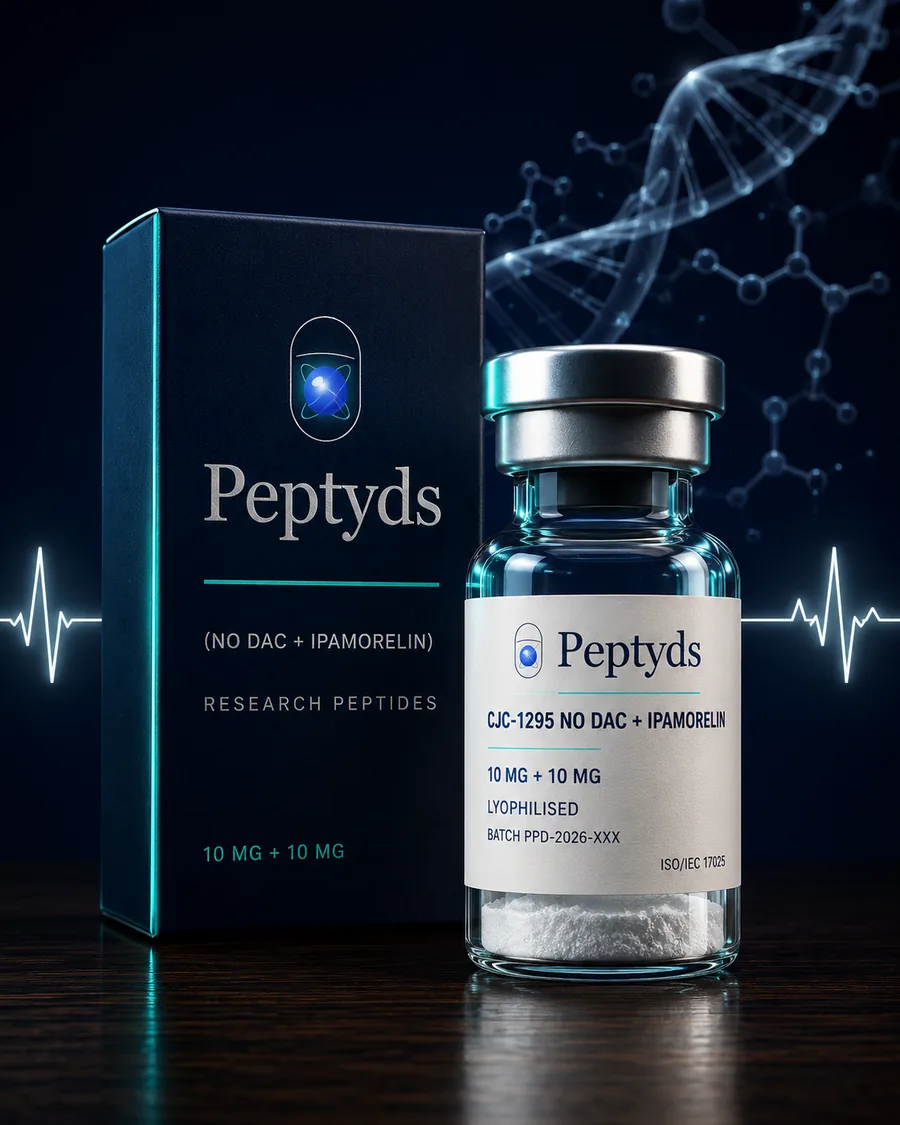
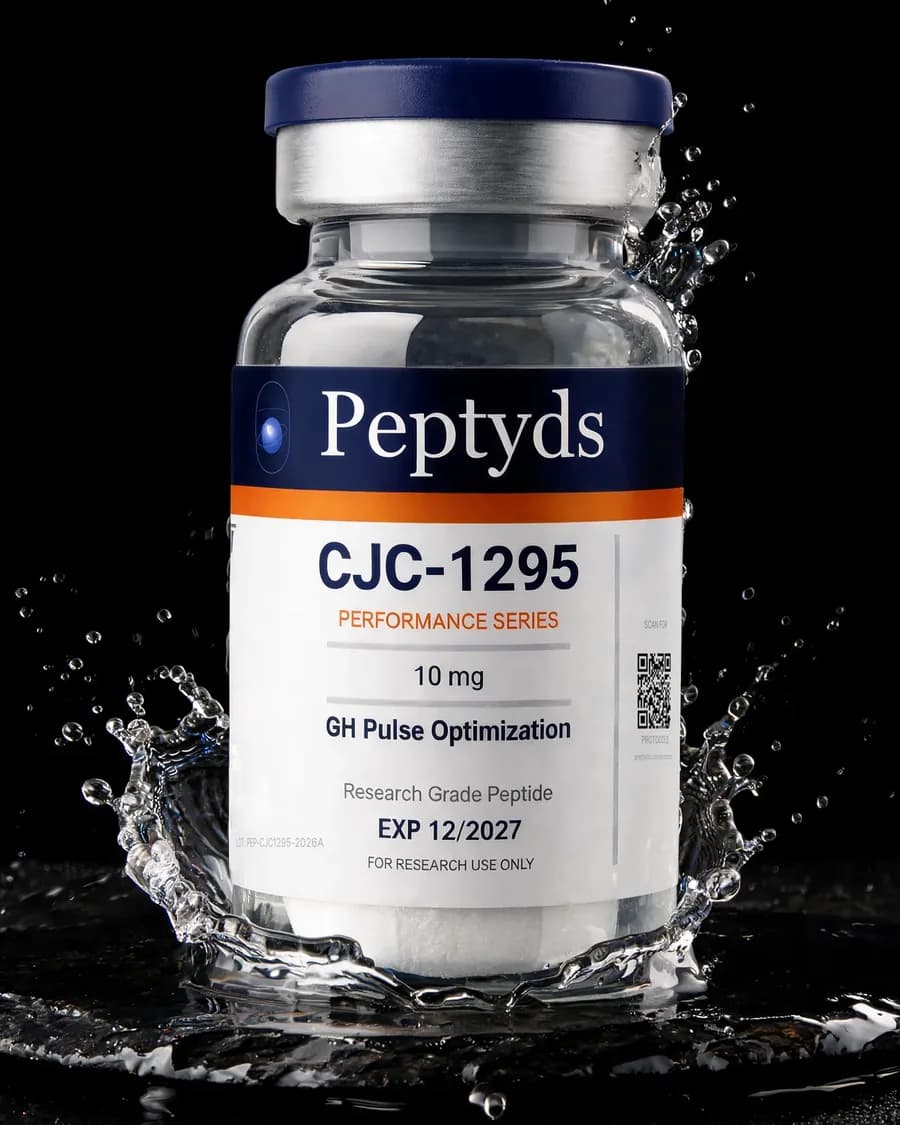
A dual-pathway GH secretagogue blend studied for synergistic, pulsatile growth hormone release — investigated in overnight recovery, sleep architecture, and body-composition research.
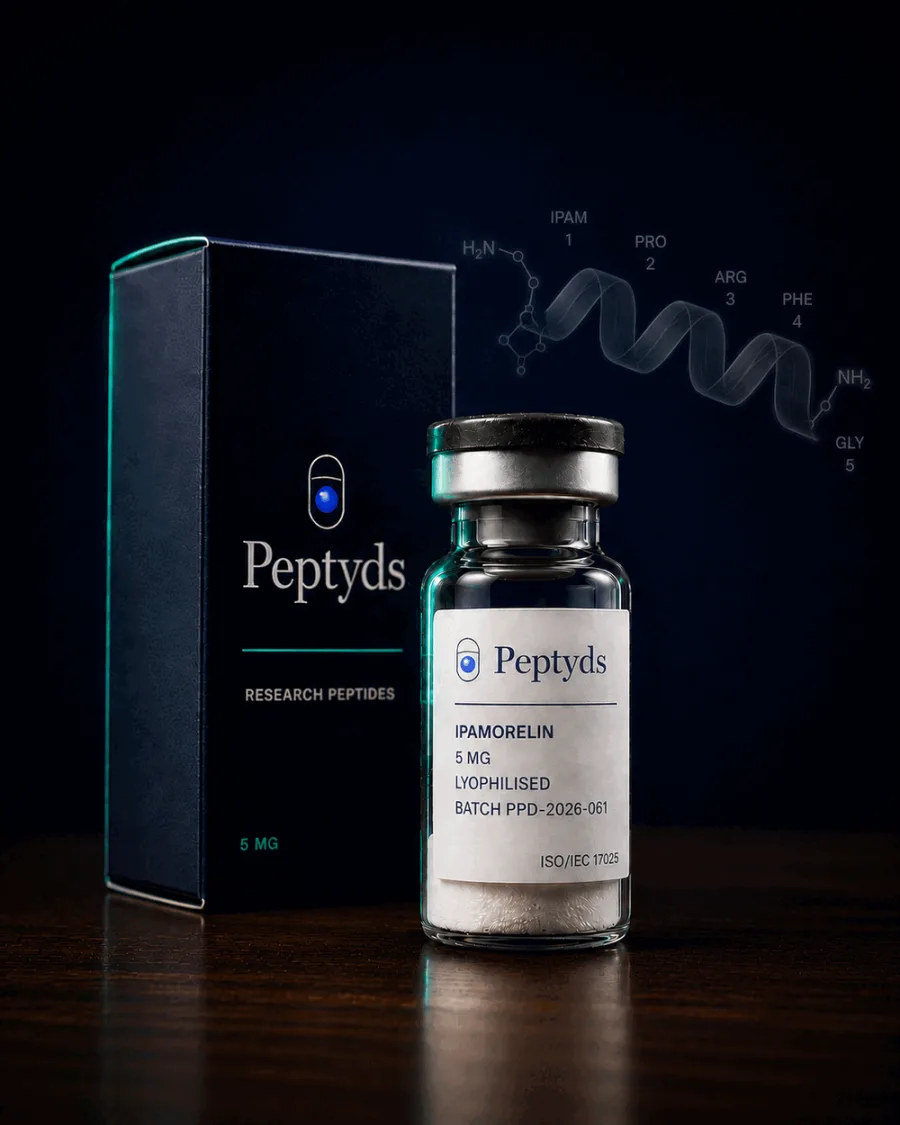
A short-acting GHRH analogue studied for pulsatile growth hormone release — investigated in sleep quality, overnight recovery, and steady daily vitality.
A selective GHRP studied for gentle, pulsatile growth hormone release — investigated in sleep depth, overnight recovery, and measured body-composition routines.
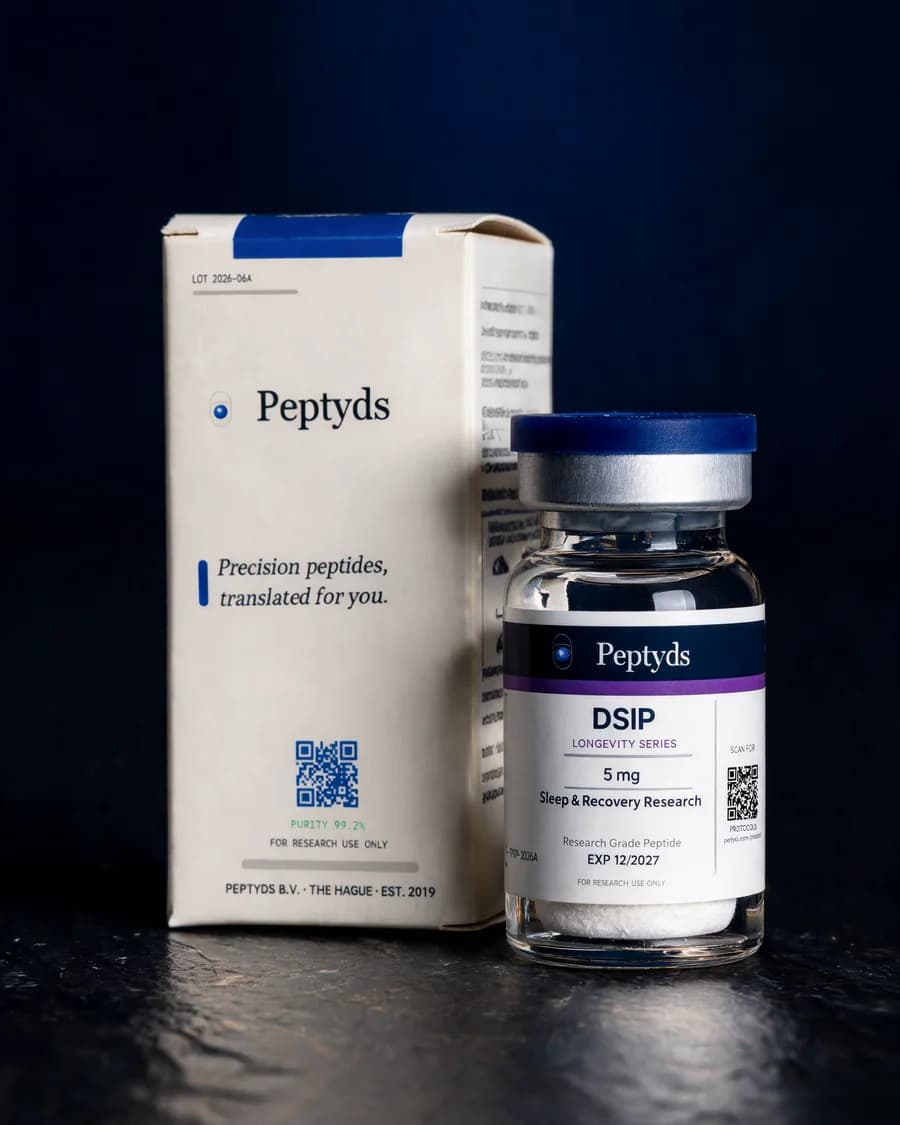
Sleep Architecture & Neuromodulation Research.
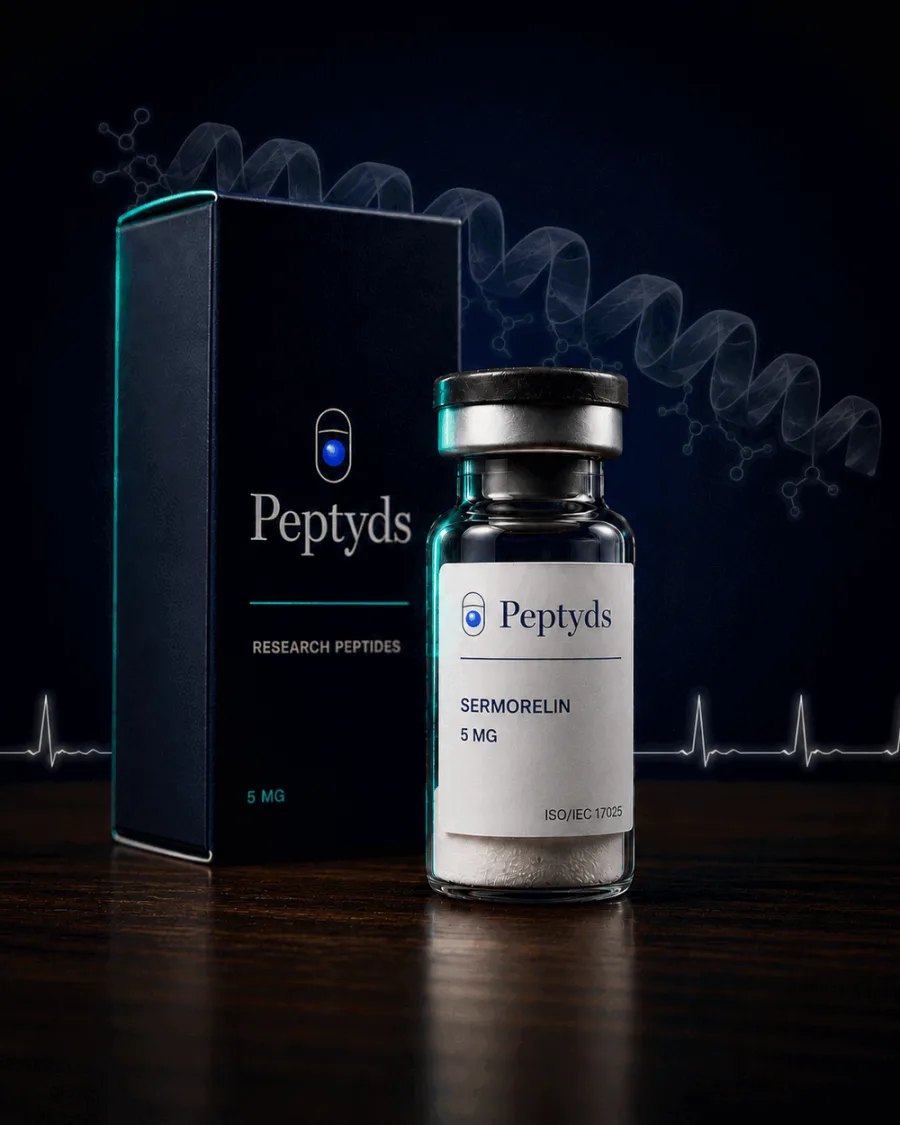
A GHRH analogue studied for endogenous growth hormone stimulation — investigated in body-composition, sleep, and healthy-aging contexts.
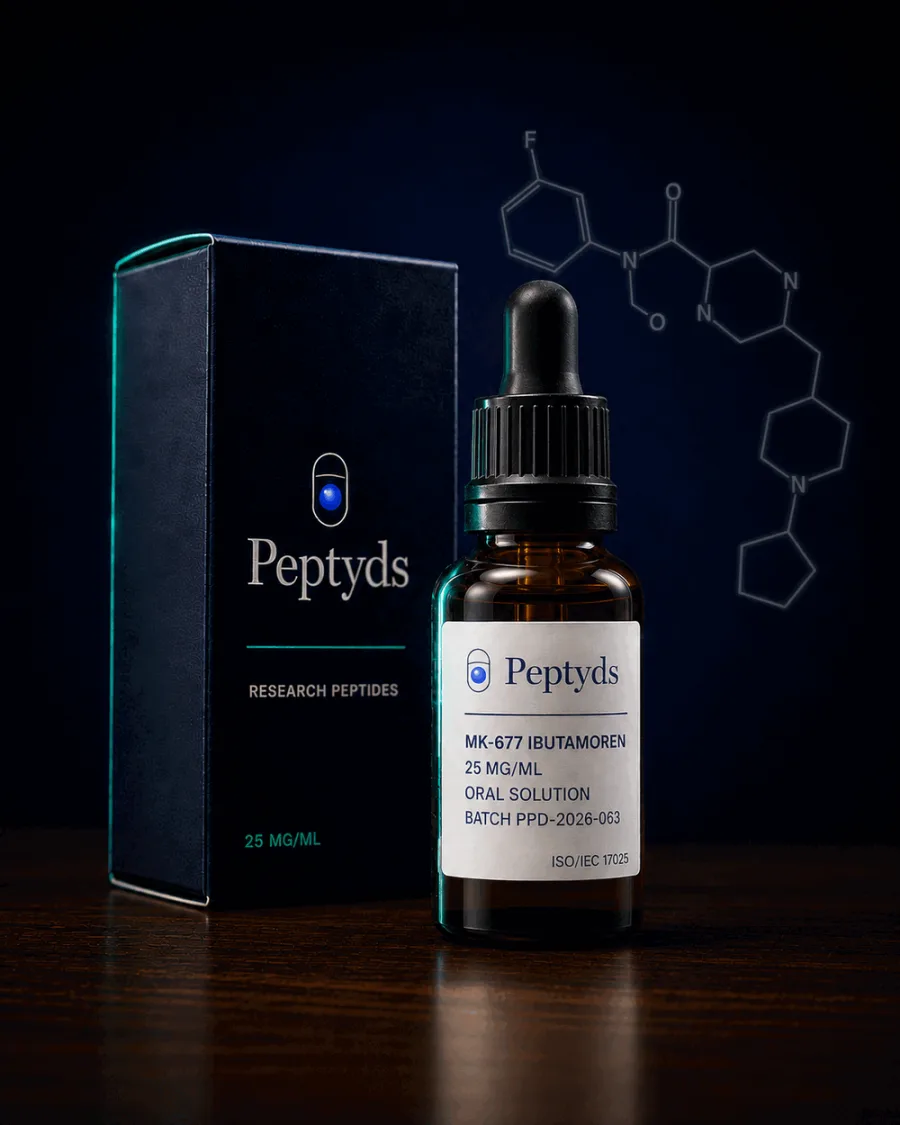
Ibutamoren mesylate — an orally active ghrelin receptor agonist studied for GH pulse amplification, lean muscle accretion, and sleep-architecture support.
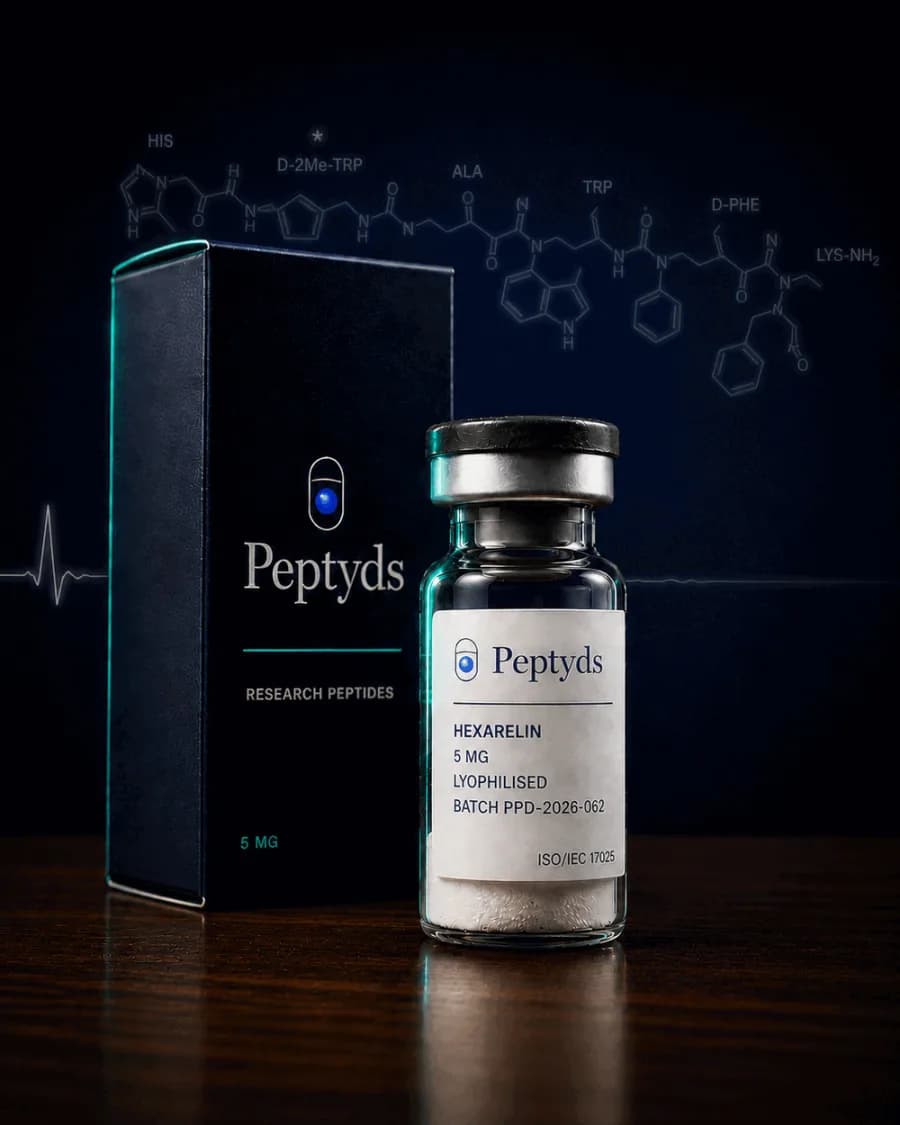
A potent GHRP studied for robust pulsatile GH release — investigated in sleep depth, overnight recovery, and short-cycle performance protocols.
- recovery-rhythm
- protocol-timing
Each release is matched with quality documentation through a documented verification path. Identity, purity, and composition test results sit on the product page before you buy.
Every batch is verified by an ISO/IEC 17025-accredited laboratory before release. Identity, purity, and documentation travel with the product — not behind a form.
This is the question underneath the entire growth-hormone category, and most comparisons skip it: are you adding the hormone, or asking the body for more of its own?
CJC-1295 and ipamorelin are talked about together because they hit two different parts of the growth-hormone axis. The interesting part of the comparison is mechanism, not which one is 'stronger'.
MK-677 (ibutamoren) is a non-peptide small-molecule oral ghrelin-receptor agonist. Most marketing calls it a peptide. This guide corrects the category and walks through the actual research.
Sermorelin, CJC-1295 and tesamorelin are three different points on the same GHRH map. None is EMA-authorised; only tesamorelin is an approved medicine (FDA, HIV-associated lipodystrophy) — and that matters more than any forum stack ever will.
Both molecules hit the same ghrelin receptor. One is an injectable pentapeptide, the other is an oral small molecule. The mechanism overlaps; almost everything else doesn't.
Three molecules that all touch the GH/IGF-1 axis, three completely different mechanisms, three very different evidence bases. The honest comparison is structural, not which-is-best.
'CJC-1295' names two different molecules, and the popular blend pairs the less-studied one with ipamorelin. This is what the research covers, and what it does not.
DSIP was named for a sleep signal seen in rabbits in 1977. Almost fifty years later there is still no known gene, no receptor and no convincing human sleep trial, and that is the most useful thing to know about it.
IGF-1 is one of the body's central growth signals. IGF-1 LR3 is a laboratory analogue built to slip past its binding proteins, and the 'long-acting' reputation it carries is the opposite of what was measured.
Ipamorelin earned its 'selective' reputation in pigs, its human record stops at pharmacokinetics and one negative phase 2 trial, and its best-known claims were never tested. This is the full record.
Almost every 'muscle peptide' works through the growth-hormone axis. Human trials show modest lean-mass gains in specific groups and no strength gains — and several best-sellers have never been studied in people.
Tesamorelin and ipamorelin both end at the same pituitary GH pulse, but they start from different receptors and carry very different evidence: one has a positive HIV-lipodystrophy trial behind an FDA approval, the other has a negative ileus trial and a selectivity claim that is still animal-only.
CJC-1295 with DAC is the original, multi-day version of the molecule — the one behind the published human growth-hormone trials. Peptyds does not sell it; here is what the research and its history actually show.
Questions people ask about this category.
Honest, short answers to the things most shoppers want to know before they buy.
Several research peptides we list — including BPC-157, TB-500, GHRPs, and IGF-1 LR3 — are listed on the WADA Prohibited List under classes S0 (unapproved substances) and S2 (peptide hormones and growth factors). They are prohibited at all times, in and out of competition.
Bring both the lyophilised vial and the bacteriostatic water to room temperature, equalise pressure with a sterile vented needle, then inject the solvent slowly down the side of the vial. Swirl gently — never shake — until clear, and refrigerate at 2–8 °C.
The calculation is peptide mass (mg) ÷ desired concentration (mg/mL) = volume of bacteriostatic water in mL. For example, a 5 mg vial at 1 mg/mL needs 5 mL; at 2 mg/mL, 2.5 mL. Every Peptyds product page carries a suggested reconstitution volume tuned to the vial size.