

Energy-and-vitality peptides are short signaling molecules studied for mitochondrial output, NAD+ pathways, and cellular energy regulation.
Energy & Vitality
All products listed under this goal are supplied for in vitro laboratory research only and are not intended for human consumption or therapeutic use.
Peptides for steady daily energy — without the crash or the hype.
Peptides chosen for steady daily energy — each with visible testing, clear dosage, and no stimulant-style promises.
- Which peptide is the best starting point for daily energy?
- How is this different from immune support?
- Where can I see the testing and research?
A short list of peptides that fit this goal.
We keep the choice focused. Every peptide here has a clear purpose, ISO/IEC 17025 lab testing, and a product page written without jargon.
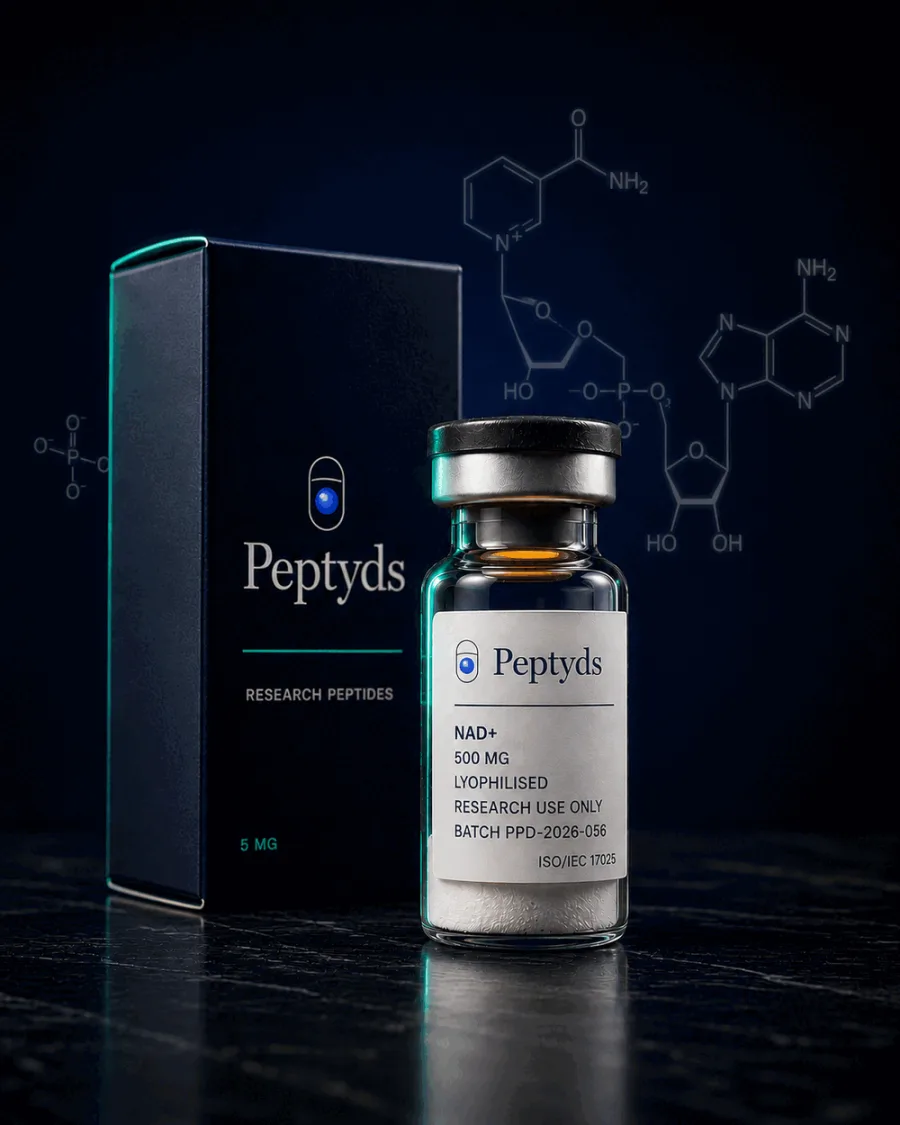
Nicotinamide adenine dinucleotide — a coenzyme central to cellular energy metabolism and sirtuin-pathway signalling, studied for its role in longevity and mitochondrial health.
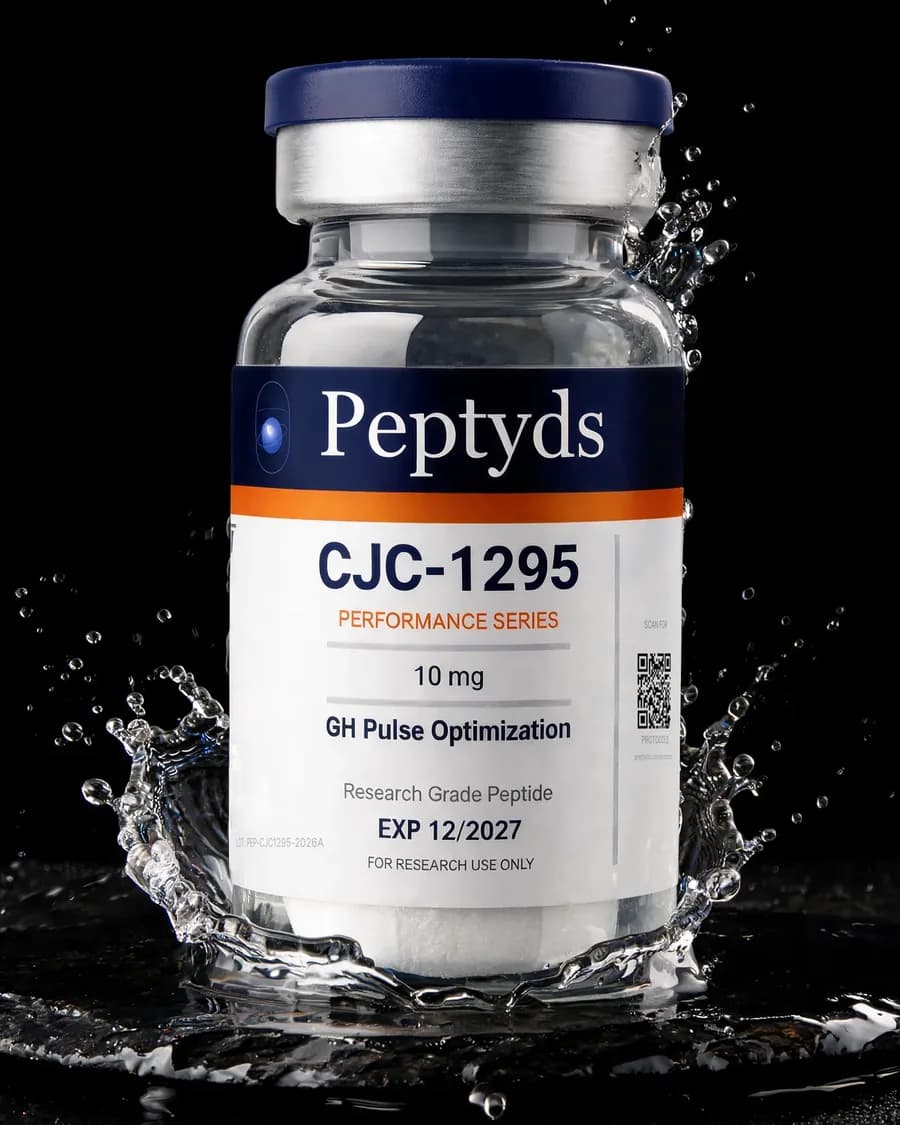
A short-acting GHRH analogue studied for pulsatile growth hormone release — investigated in sleep quality, overnight recovery, and steady daily vitality.
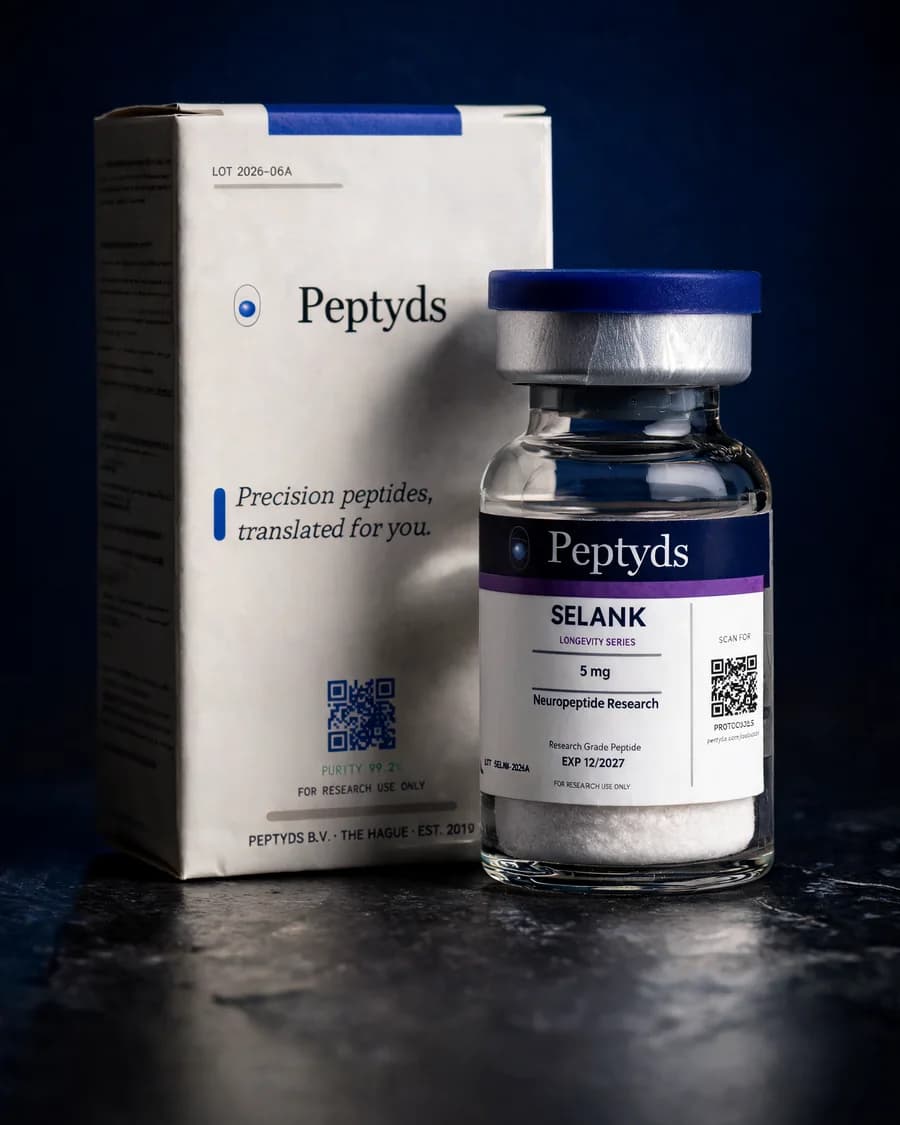
Nootropic & Anxiolytic Research.
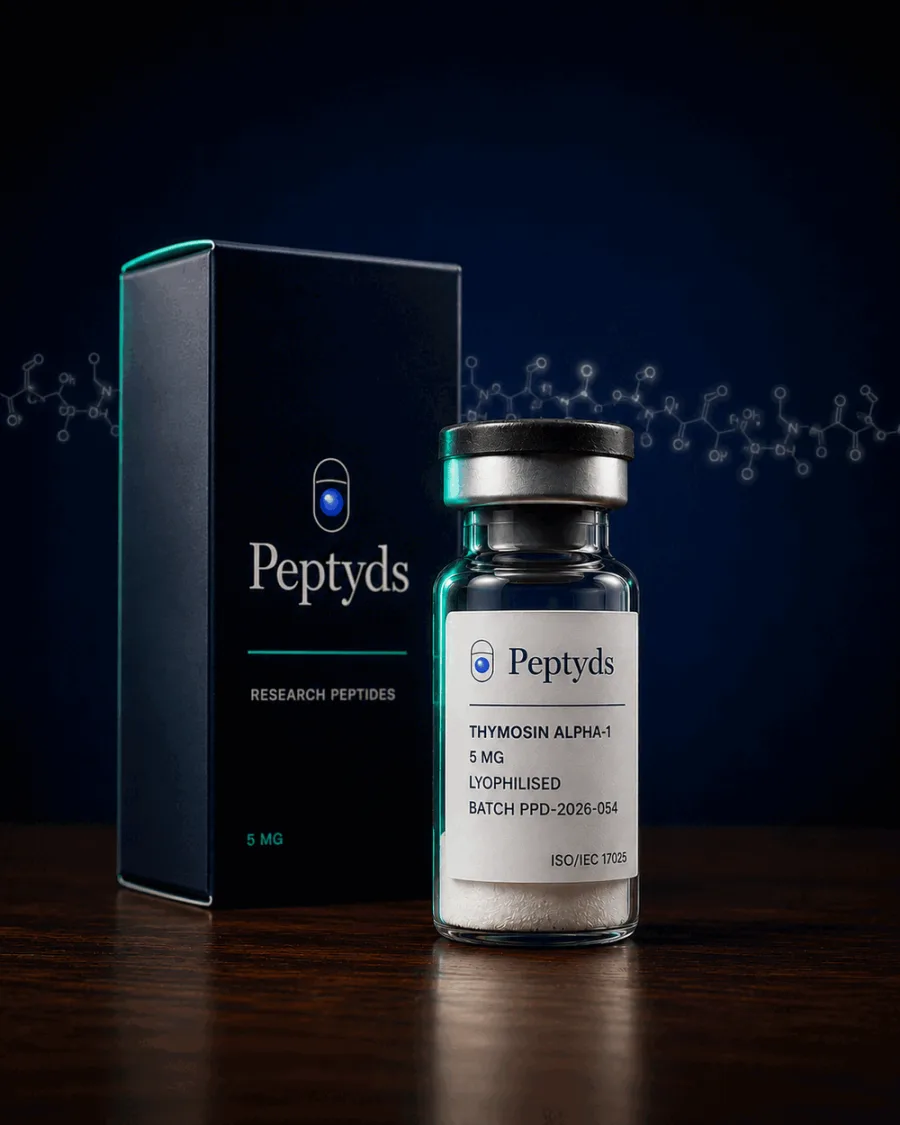
A 28-amino-acid peptide studied for its role in modulating T-cell response — framed as a clinician-led input into immune support, not a daily supplement.
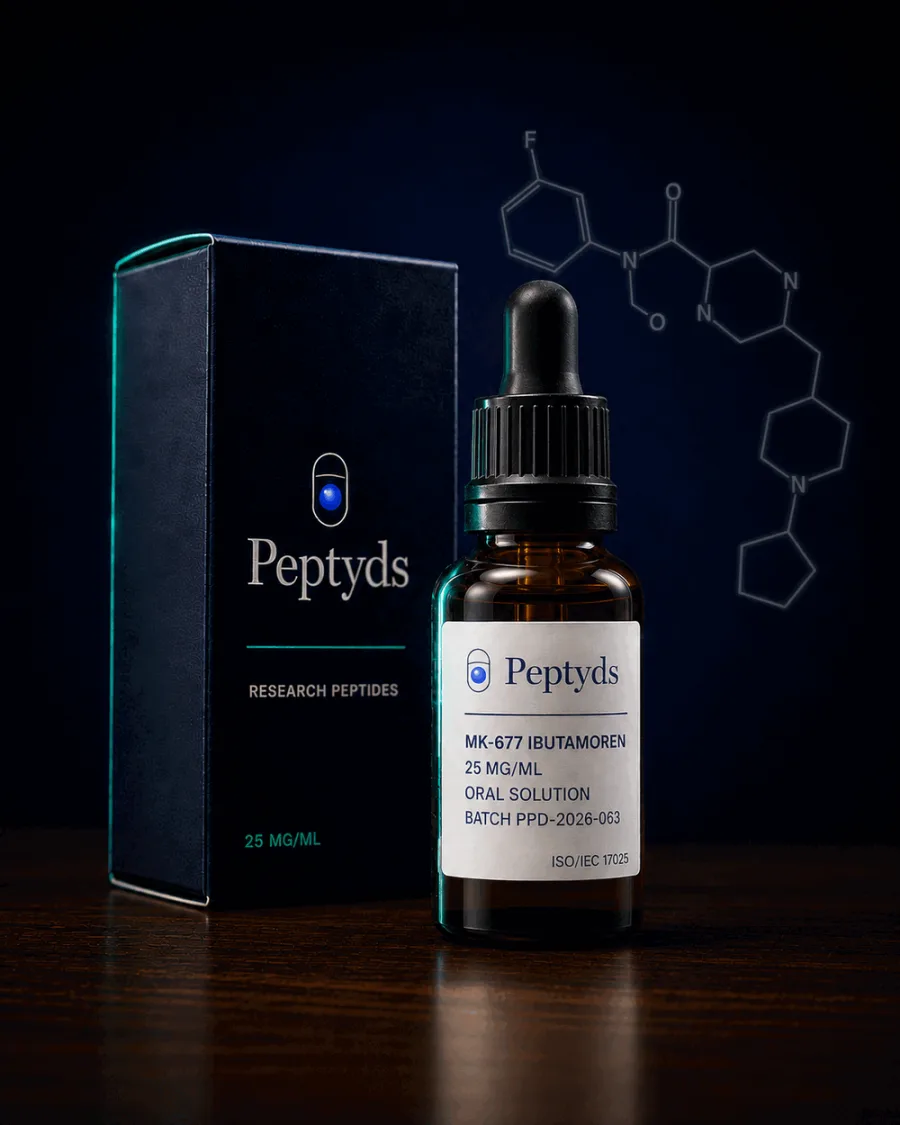
Ibutamoren mesylate — an orally active ghrelin receptor agonist studied for GH pulse amplification, lean muscle accretion, and sleep-architecture support.
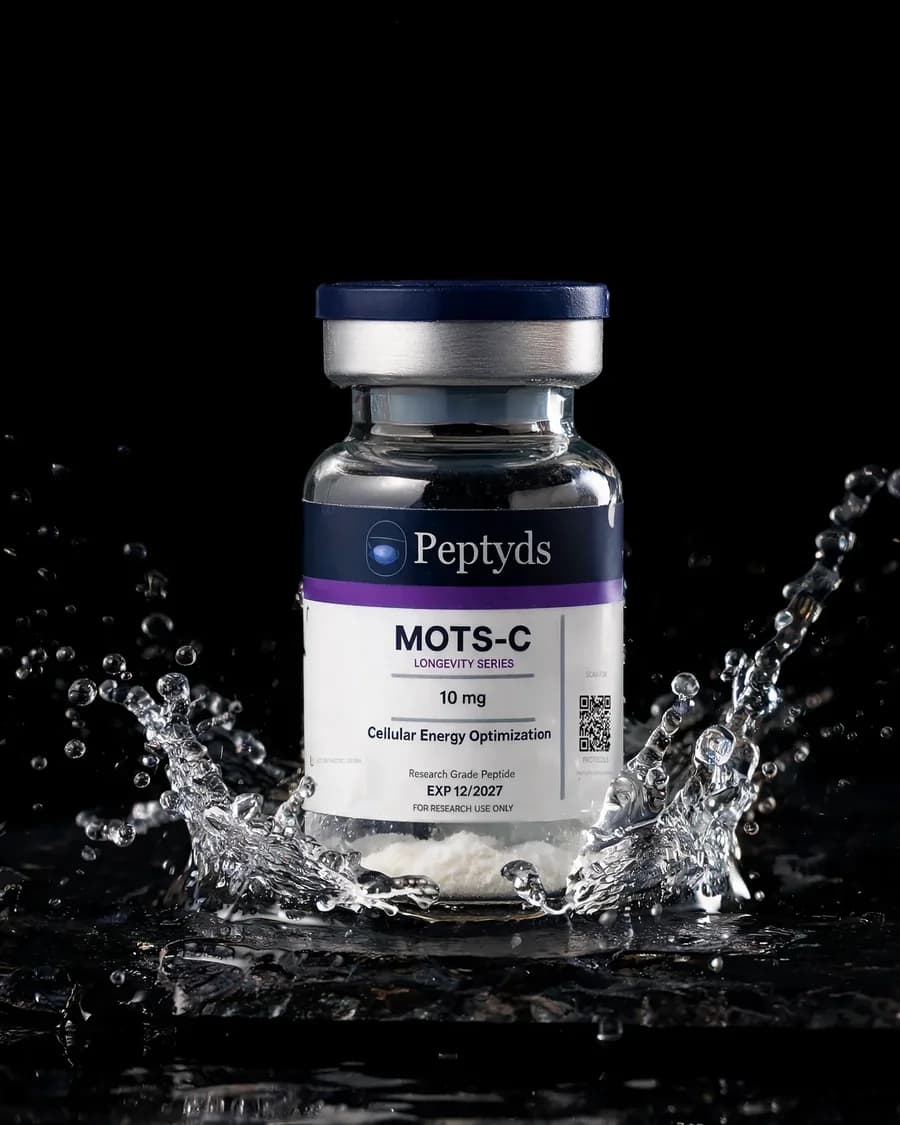
A mitochondria-derived peptide studied for its role in metabolic regulation, insulin sensitivity, and cellular energy homeostasis — an emerging longevity-pathway molecule.
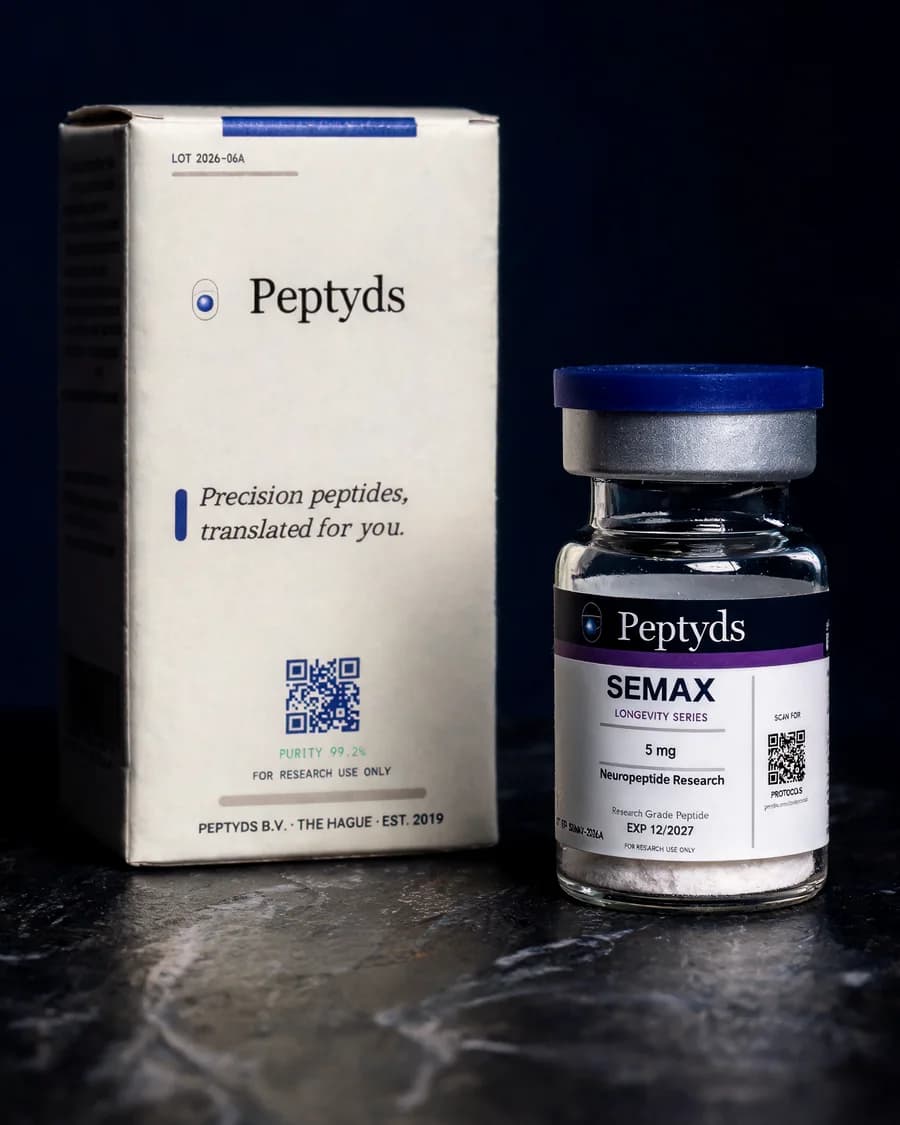
Neuroprotective & Cognitive Research.
- vitality-support
- goal-led-shopping
Each release is matched with quality documentation through a documented verification path. Identity, purity, and composition test results sit on the product page before you buy.
Every batch is verified by an ISO/IEC 17025-accredited laboratory before release. Identity, purity, and documentation travel with the product — not behind a form.
Goal-led shopping helps guided buyers compare research context, quality proof, and product fit without decoding every molecule first.
NAD+ is not a peptide. It is a dinucleotide coenzyme central to sirtuin biology, DNA-damage repair, and cellular energy. This guide separates the published mechanism from the marketing.
MOTS-c is a peptide made from the mitochondrion's own DNA, with a clean mechanism in cells and striking results in mice. The human evidence is much thinner, and it is on the WADA Prohibited List.
The selank peptide is a seven-amino-acid analogue of tuftsin, studied in Moscow as an anxiolytic. The honest version separates enzyme, gene-expression and rodent data from a handful of small Russian clinical studies — and from the claims that outrun both.
Semax is a seven-amino-acid analogue of an ACTH fragment, studied mainly in Moscow for stroke and cognition. The honest version separates rat mechanism data and small Russian clinical reports from the claims made for healthy people.
Selank and semax are two seven-amino-acid peptides from the same Moscow institute, and they are almost always discussed together. Here is how they differ — parent molecule, research questions, evidence and regulatory status — and how far the popular calm-versus-focus split holds up.
SS-31 (elamipretide) binds cardiolipin on the inner mitochondrial membrane. In September 2025 it became the first FDA-approved mitochondria-targeted peptide — for one narrow, rare-disease indication. Peptyds does not sell it.
Questions people ask about this category.
Honest, short answers to the things most shoppers want to know before they buy.
Strictly, no — NAD+ (nicotinamide adenine dinucleotide) is a dinucleotide coenzyme, not a chain of amino acids. It is often grouped with peptide therapies in clinic menus because the delivery format (subcutaneous or IV) and the longevity-research framing overlap, but biochemically it is a different class of molecule.
Oral NAD+ is poorly absorbed intact, so most oral supplements use precursors — NR (nicotinamide riboside) or NMN (nicotinamide mononucleotide) — which the body converts to NAD+. Subcutaneous and IV NAD+ bypass first-pass metabolism and produce measurable plasma elevations in published pharmacokinetic work.
Bring both the lyophilised vial and the bacteriostatic water to room temperature, equalise pressure with a sterile vented needle, then inject the solvent slowly down the side of the vial. Swirl gently — never shake — until clear, and refrigerate at 2–8 °C.
The calculation is peptide mass (mg) ÷ desired concentration (mg/mL) = volume of bacteriostatic water in mL. For example, a 5 mg vial at 1 mg/mL needs 5 mL; at 2 mg/mL, 2.5 mL. Every Peptyds product page carries a suggested reconstitution volume tuned to the vial size.